
خانه کوبیک
دفتر معماری و ساخت مرز زیستن (ساسان توکلی، شقایق جامی)
موقعیت: شهرک امیردشت، کلارآباد، مازندران، ایران
تاریخ: ۱۴۰۳
مساحت: ۴۵۰ مترمربع
وضعیت: ساختهشده
کارفرما: بخش خصوصی
مدلسازی: نیوشا سنایی
سازه و مدیریت اجرا: سامان توکلی
تاسیسات مکانیکی: وحید لطفی
تاسیسات الکتریکی: مهدی محمدی
اجرا: دفتر معماری و ساخت مرز زیستن
گرافیک: افسانه هوشمند چایجانی
عکس: محمدحسن اتفاق
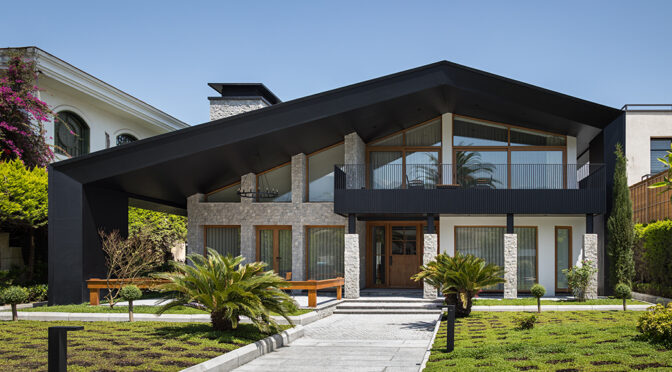
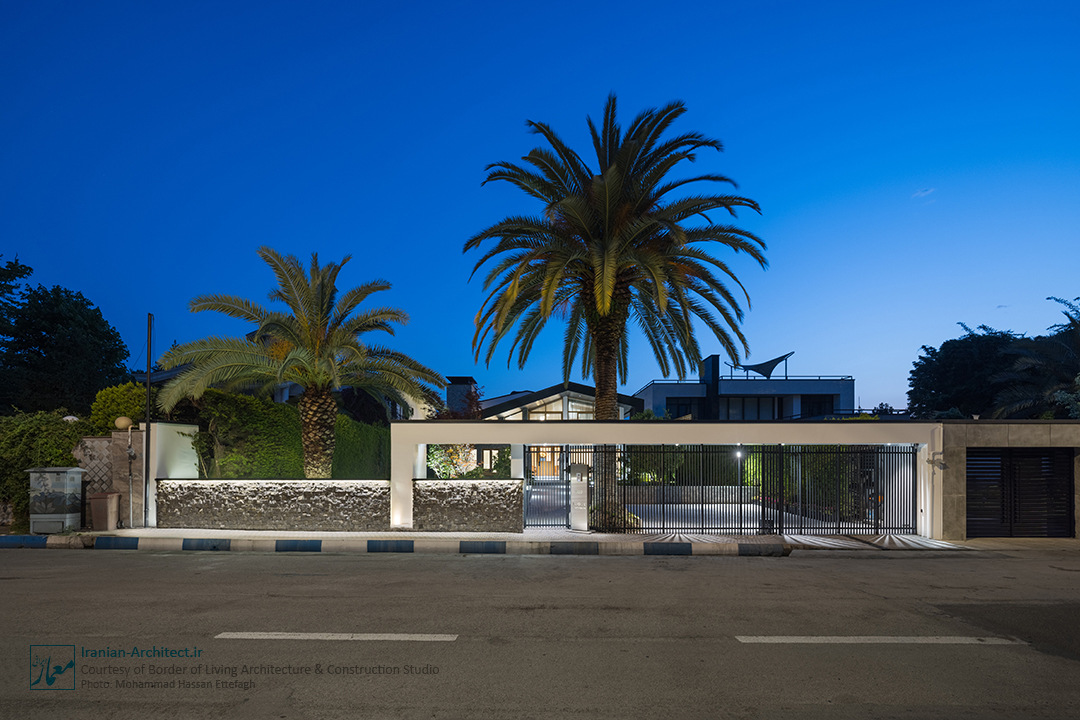
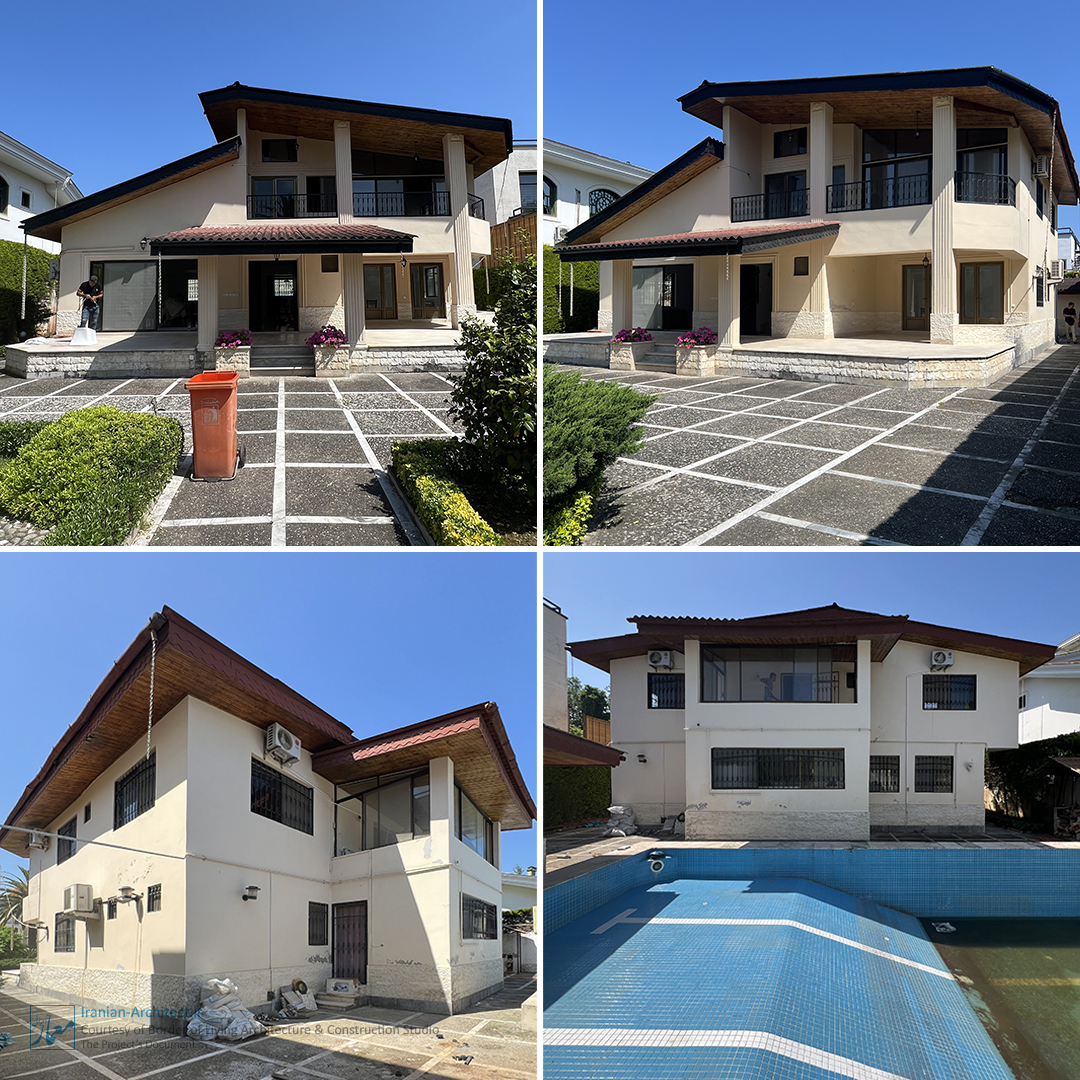
این پروژه در آغاز با رویکرد بررسی ظرفیتهای موجود شکل گرفت تا امکان جایگیری آن در رسته بازسازی سنجیده شود. با توجه به سالم بودن اسکلت سازه، مساحت مؤثر منطبق بر نیازهای کارفرما، و برخی ویژگیهای پایهای مناسب، طراحی آن در قالب بازسازی تعریف شد.
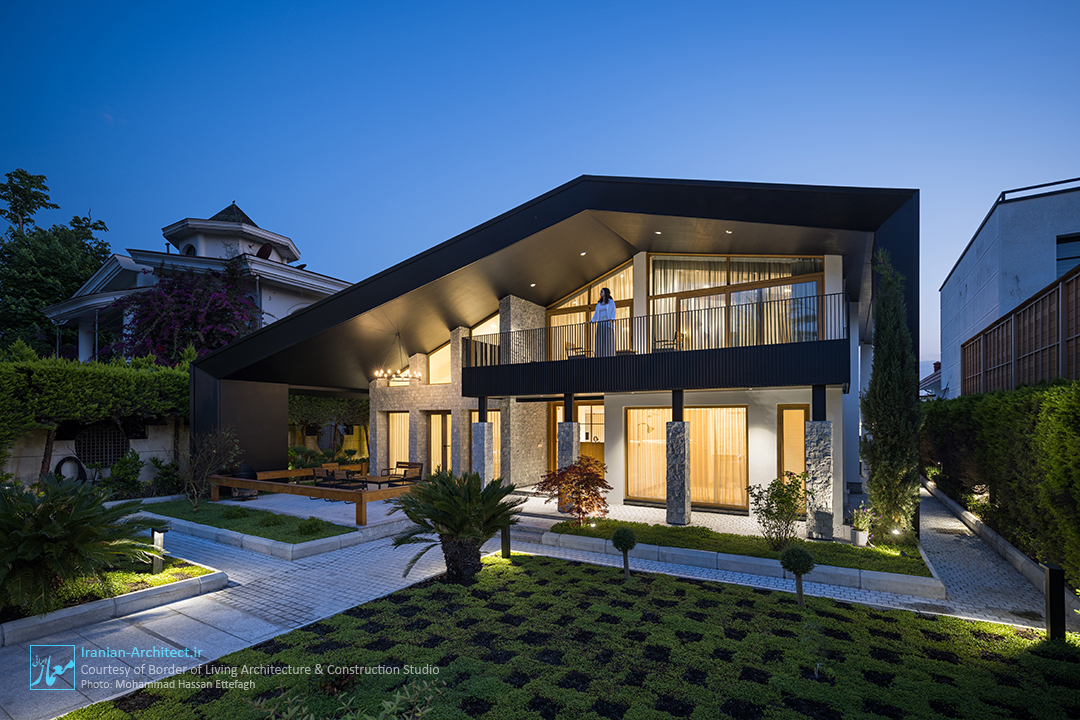
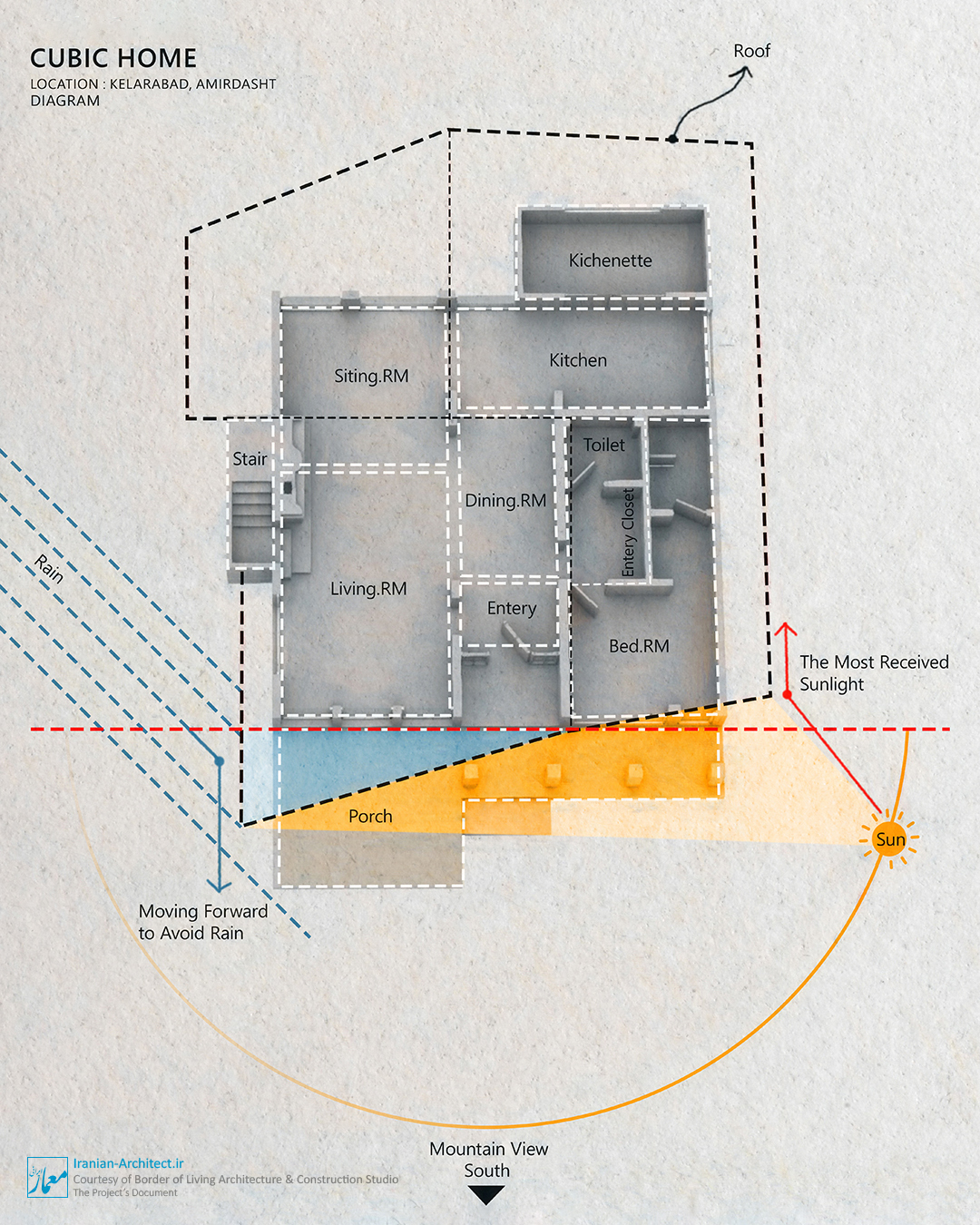
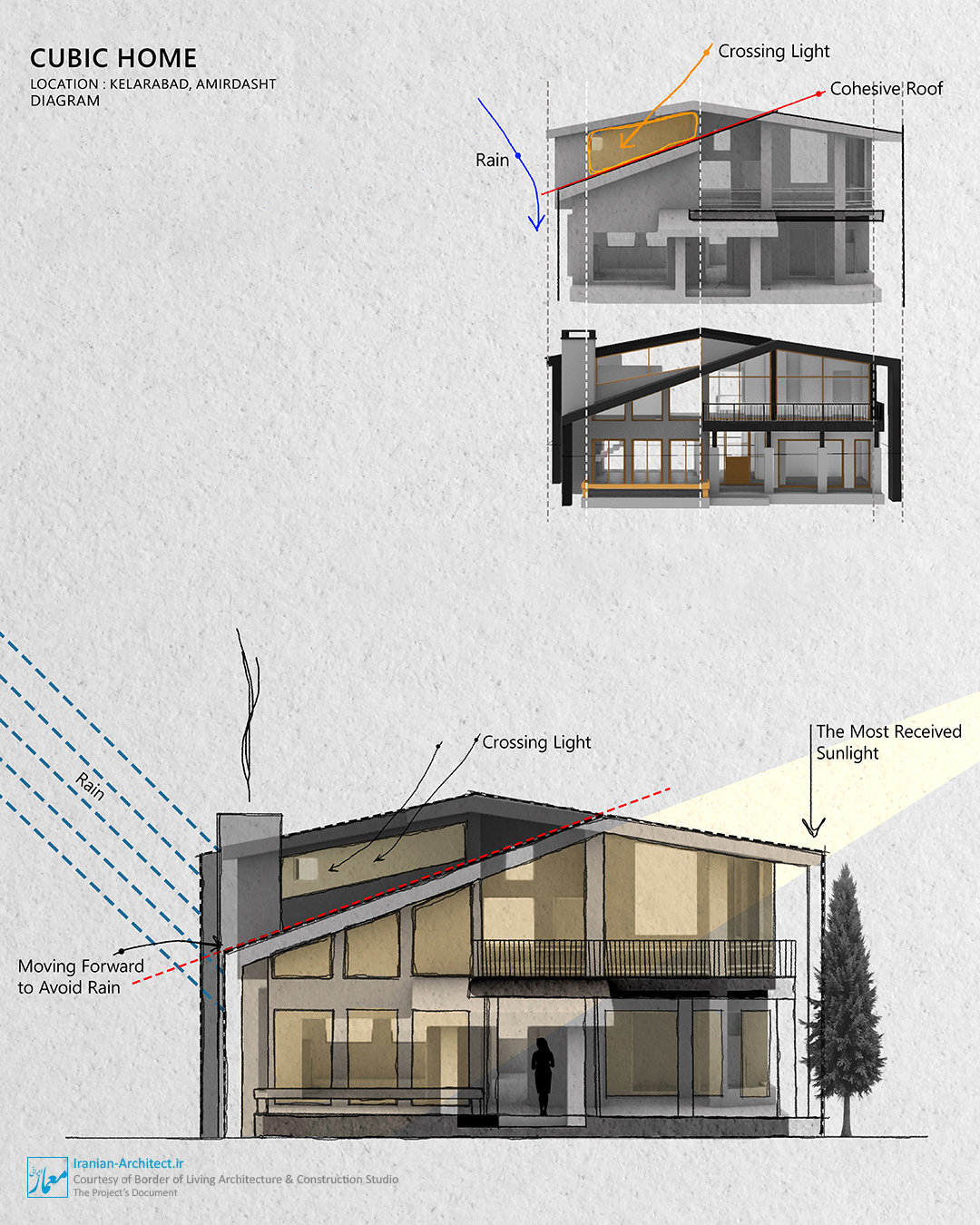
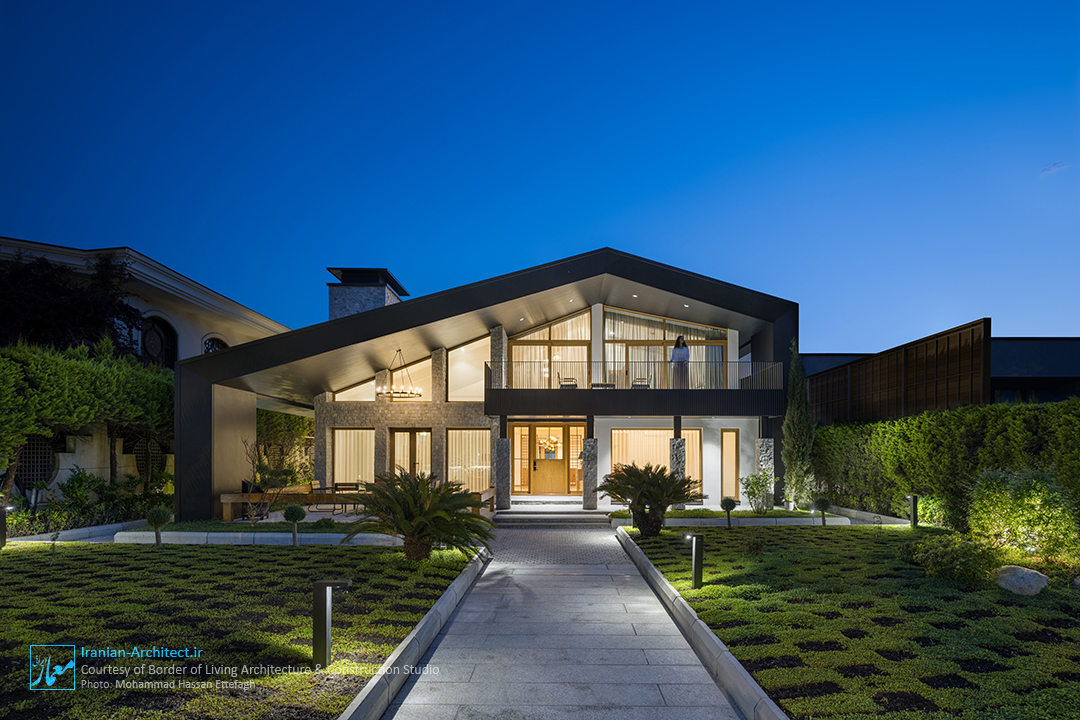
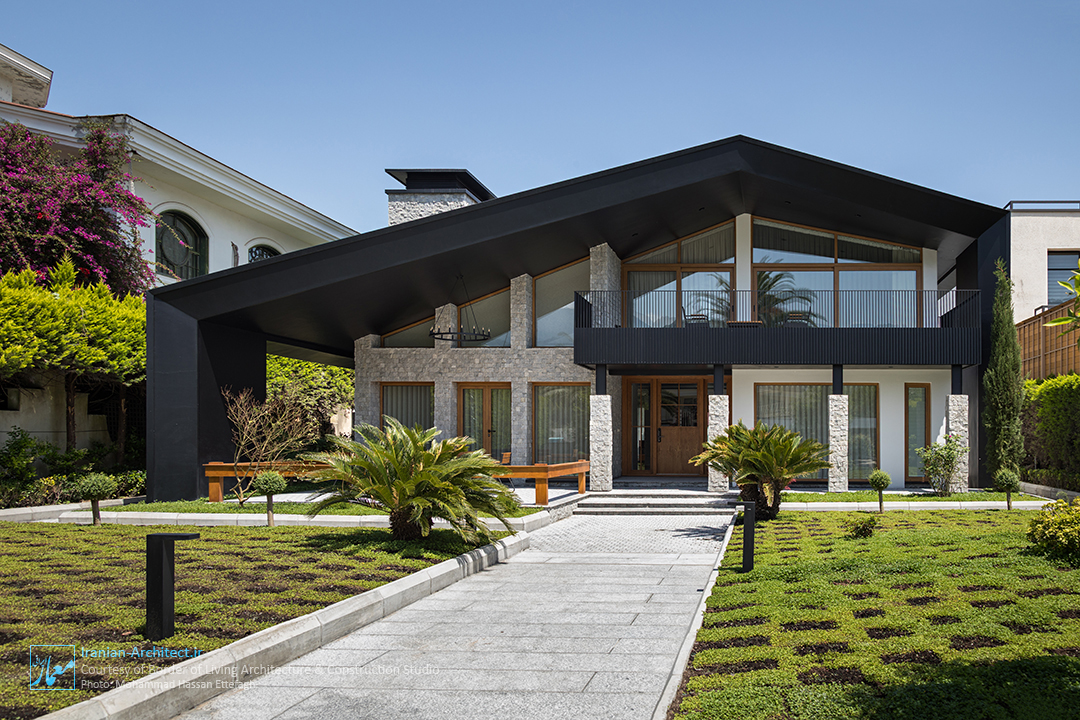
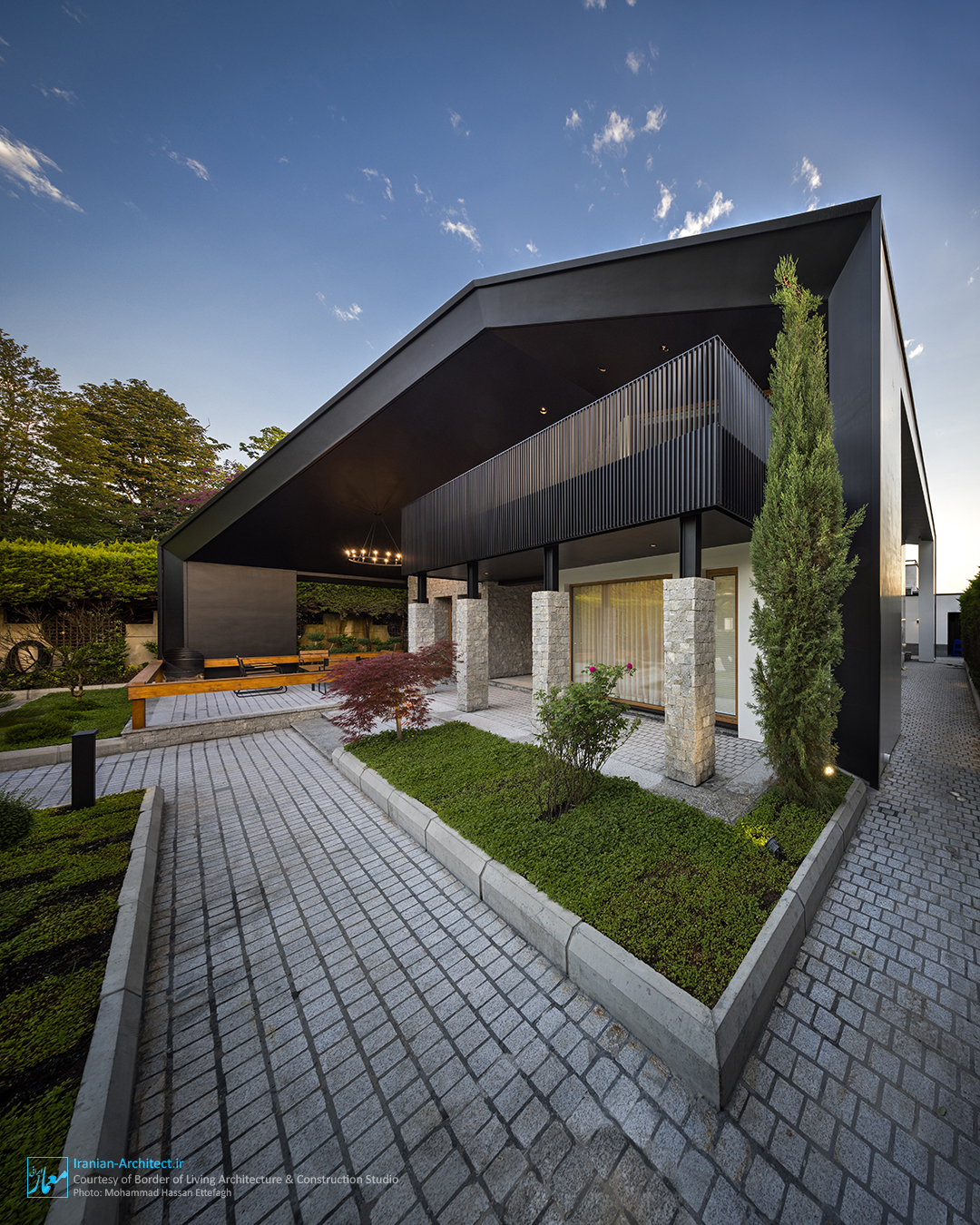
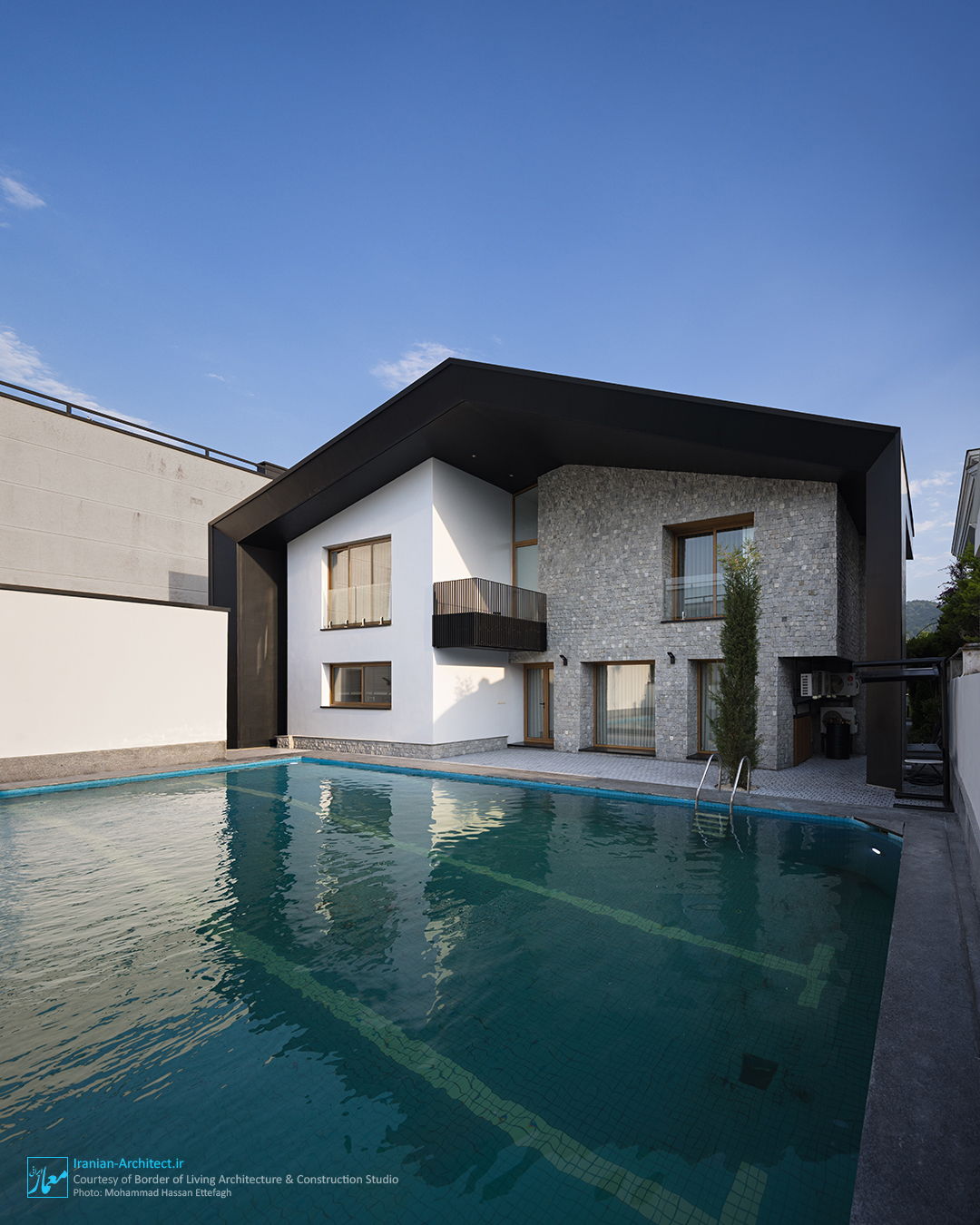
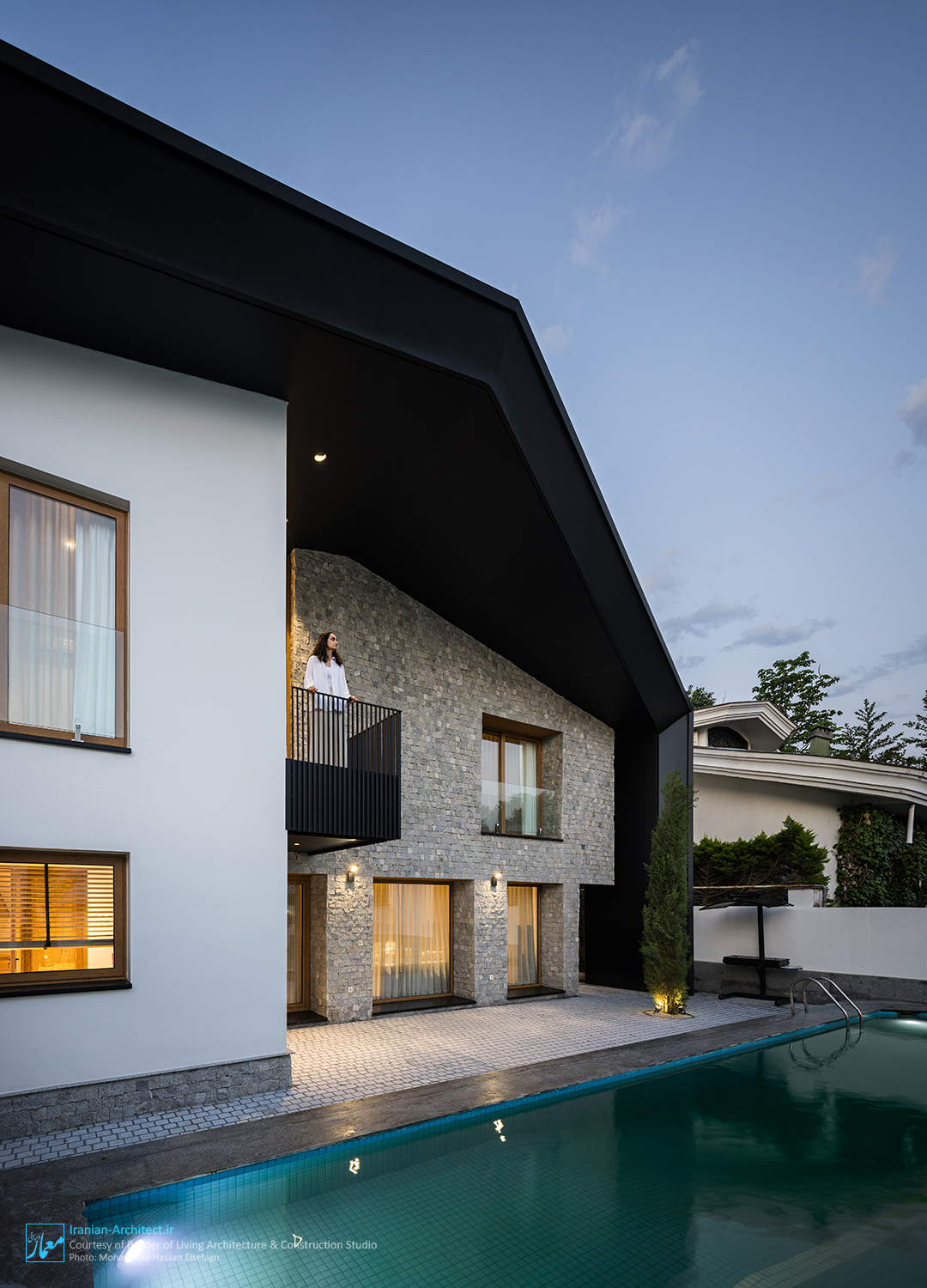
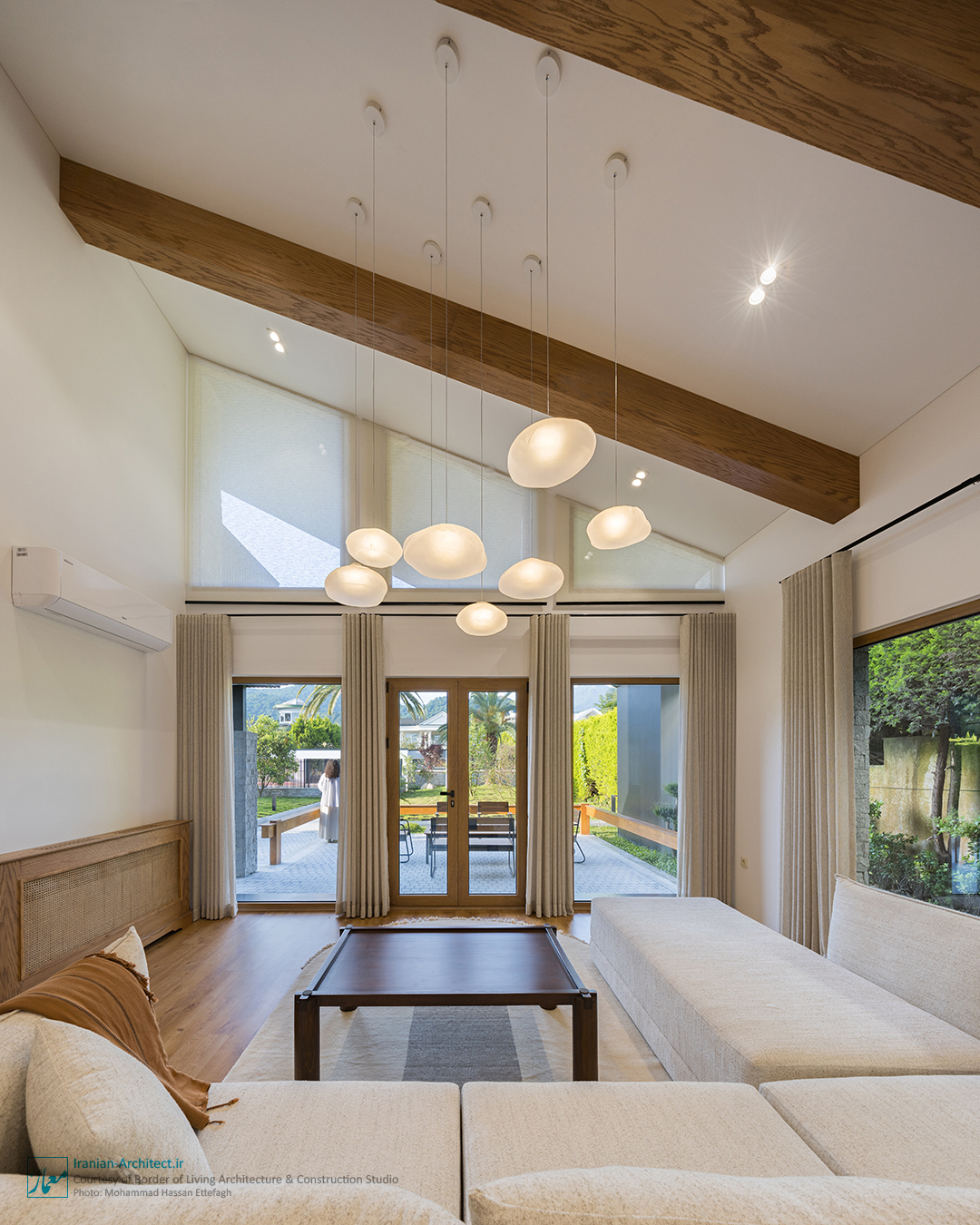
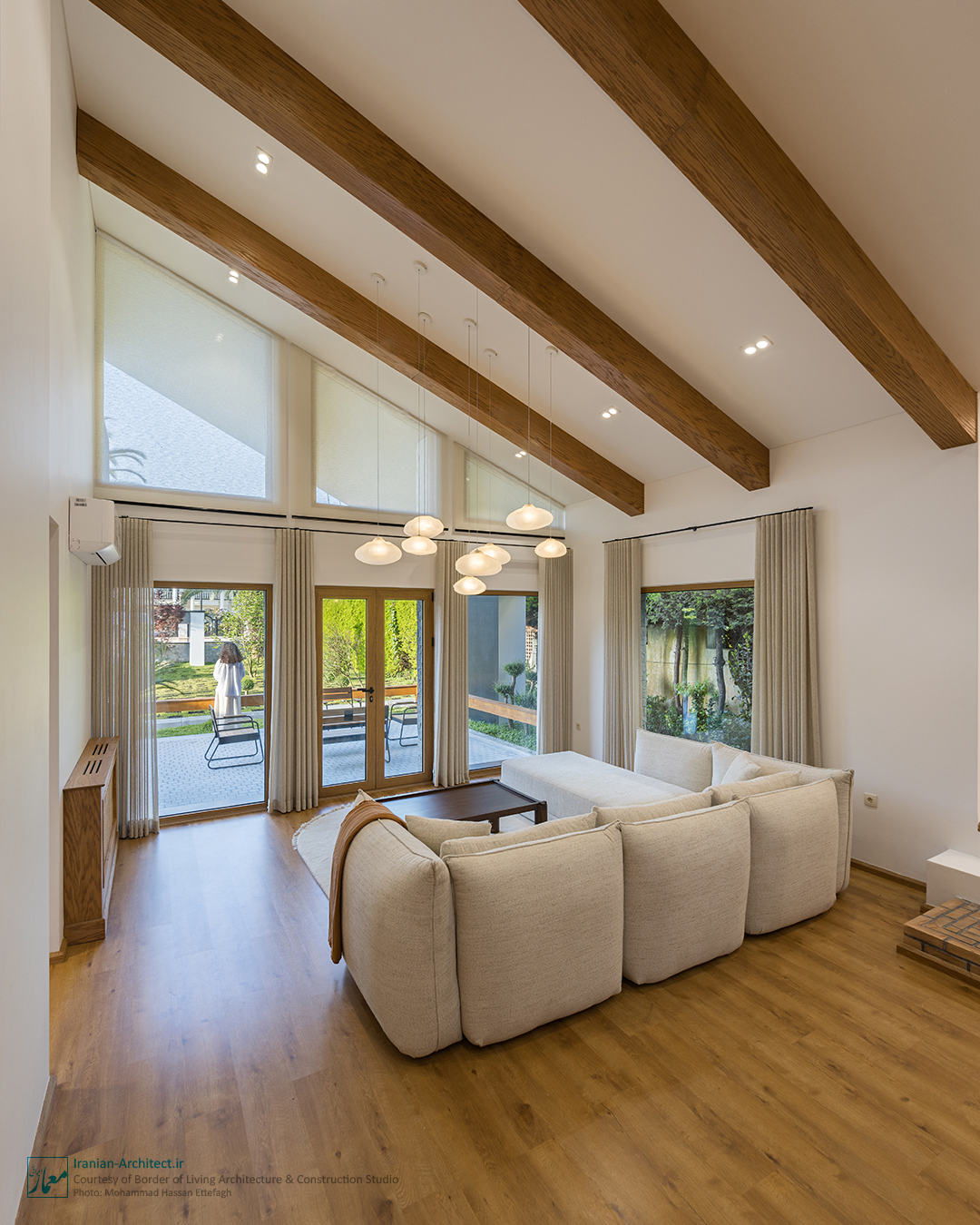
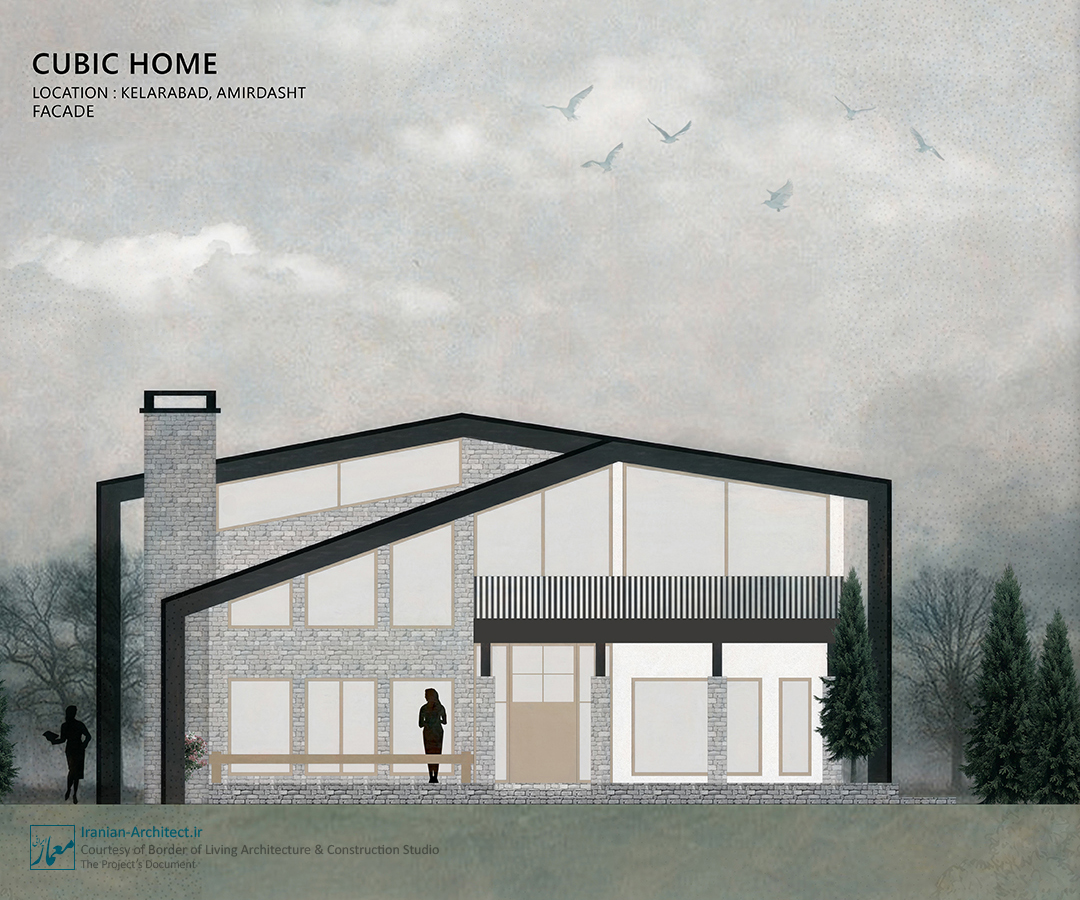
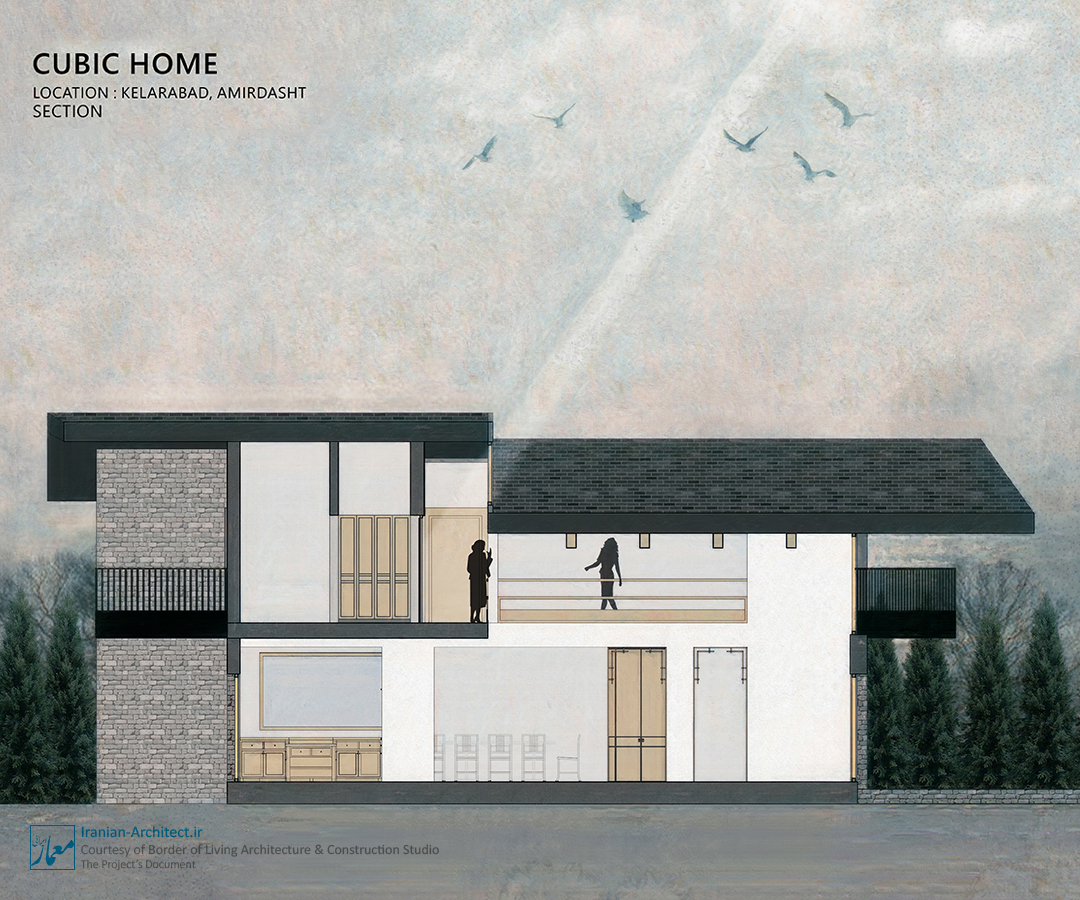
فرم کلی بنا الهامگرفته از سقف شیبدار خانه پیشین است؛ اما این بار، سقف تنها عنصری عملکردی نیست، بلکه بهعنوان مولفهای مؤثر در خلق فضا، تعریف خطوط سایه، و شکلدهی به نمای شاخص پروژه ایفای نقش میکند. با گسترش ایده سقف، ساختاری با تعدد صفحات شیبدار شکل گرفت که در عین سادگی، توانست نیازهای فضایی کارفرما را نیز برآورده سازد؛ از جمله تراسهای عمیق و مسقف با عملکردی اقلیمی و زیباشناسانه.
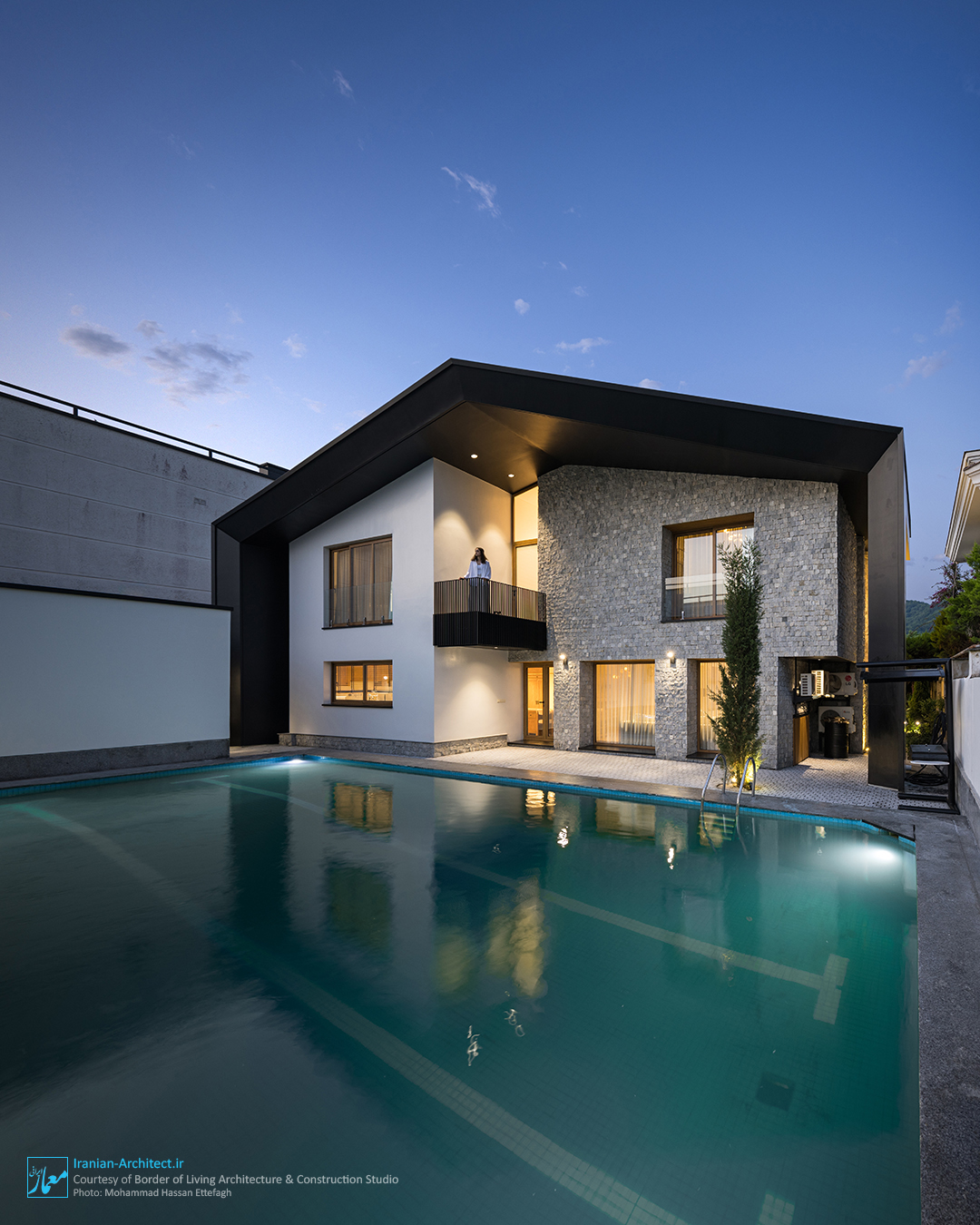
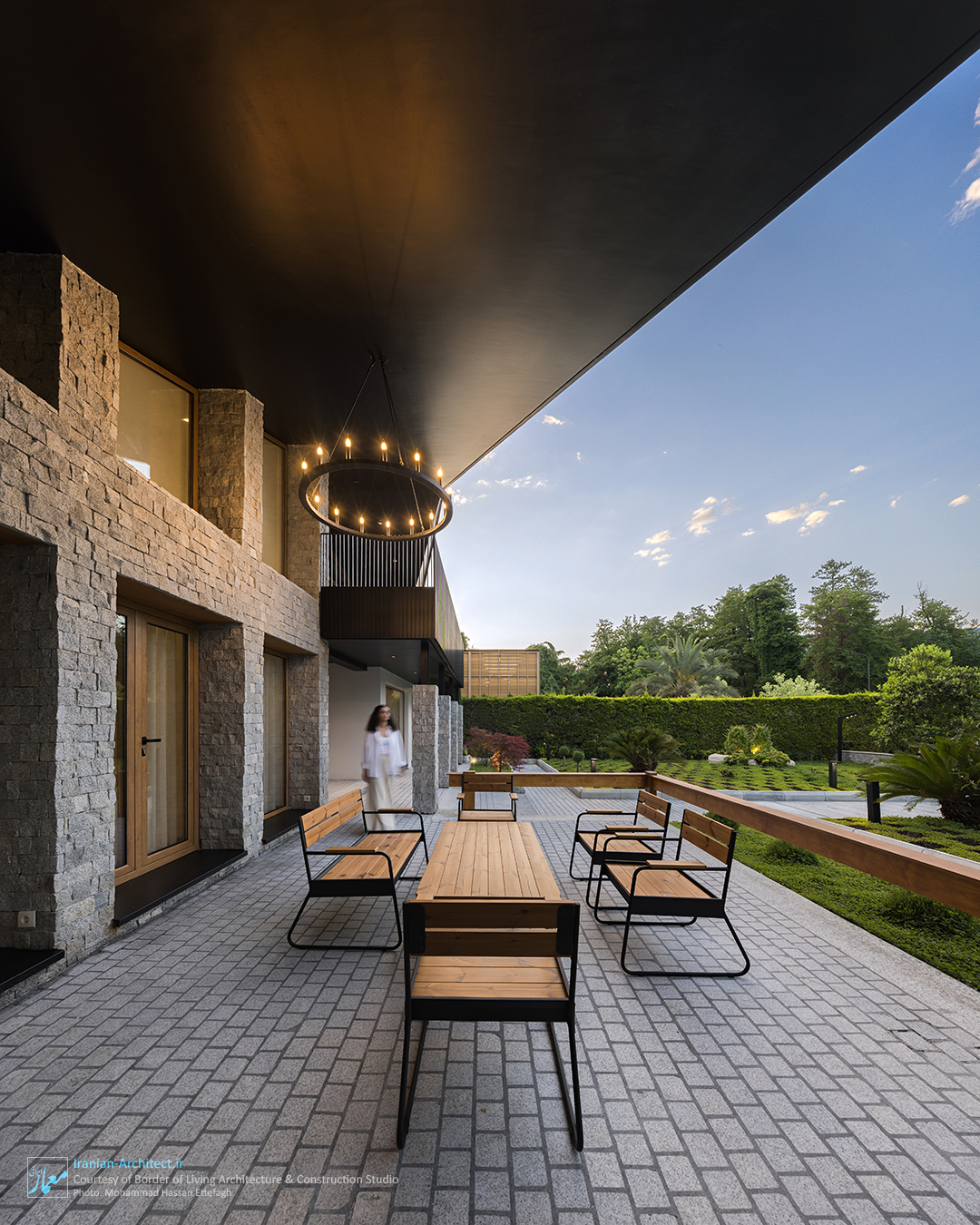
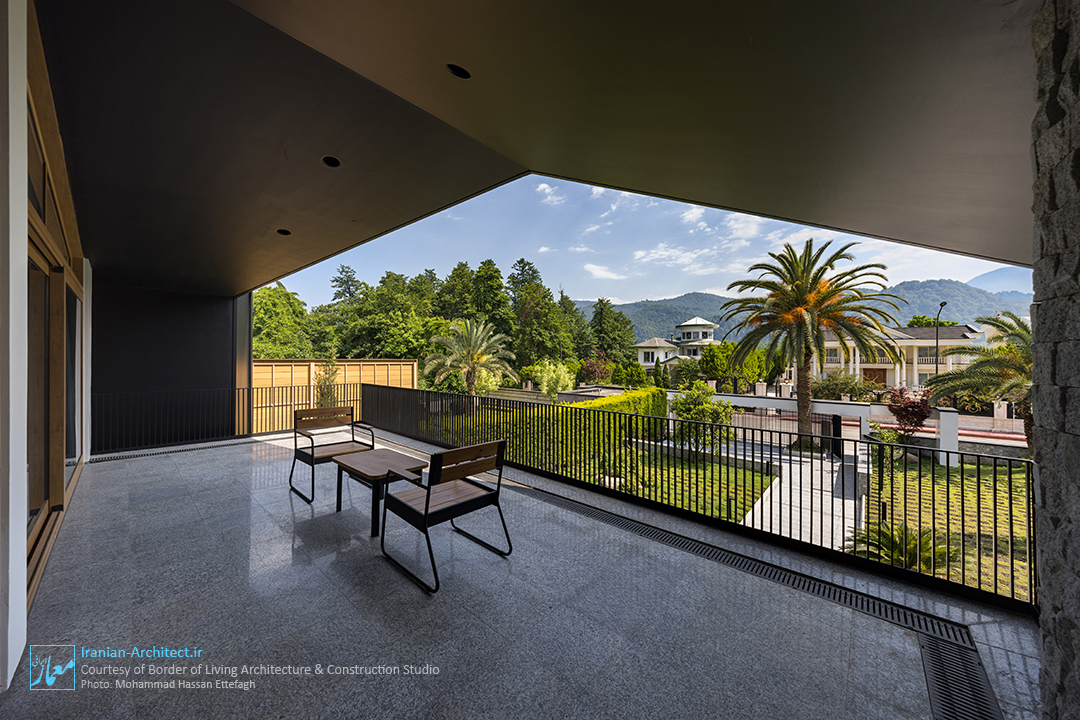
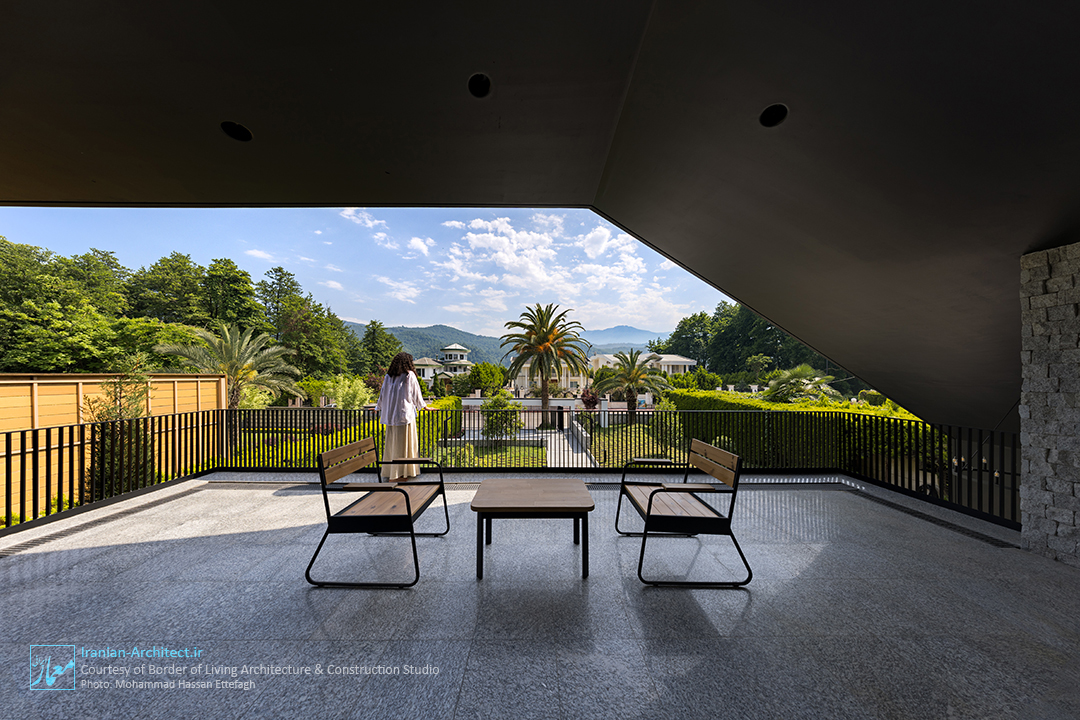
در میان این فضاهای نیمهباز، تراس جنوبی ساختمان با کشیدگی چشمگیر و قابگیری افق، به یکی از ویژگیهای متمایز پروژه بدل شده است. اجرای این تراس ـ با وجود چالشهای فنی و سازهای ـ به نحوی طراحی شد که بدون مزاحمت هیچ سازه میانی، دیدی وسیع و ممتد به چشمانداز بیرونی فراهم آورد.
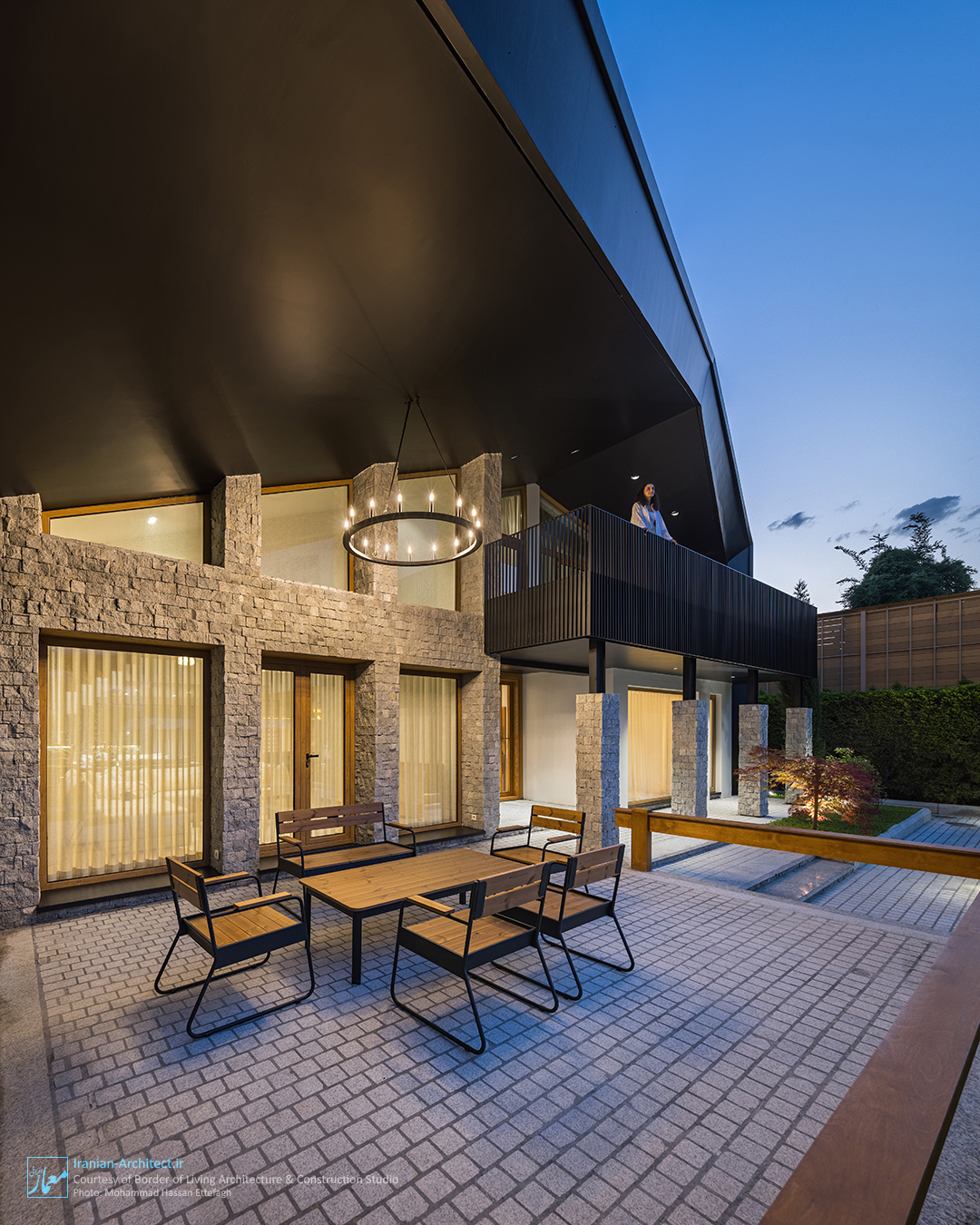
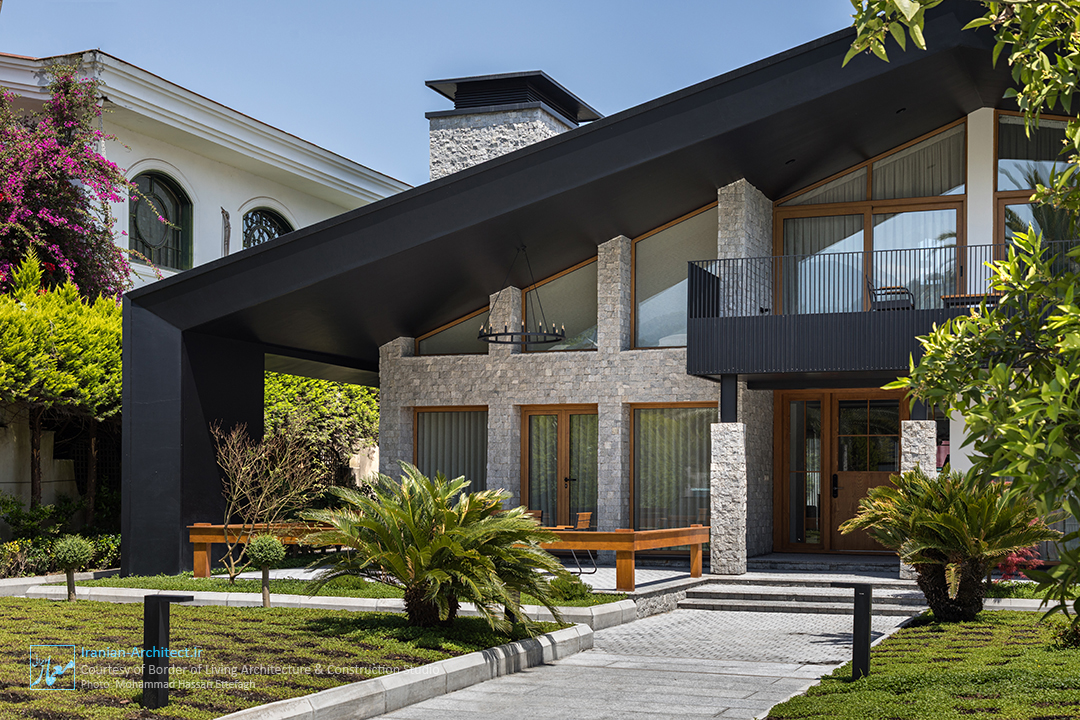
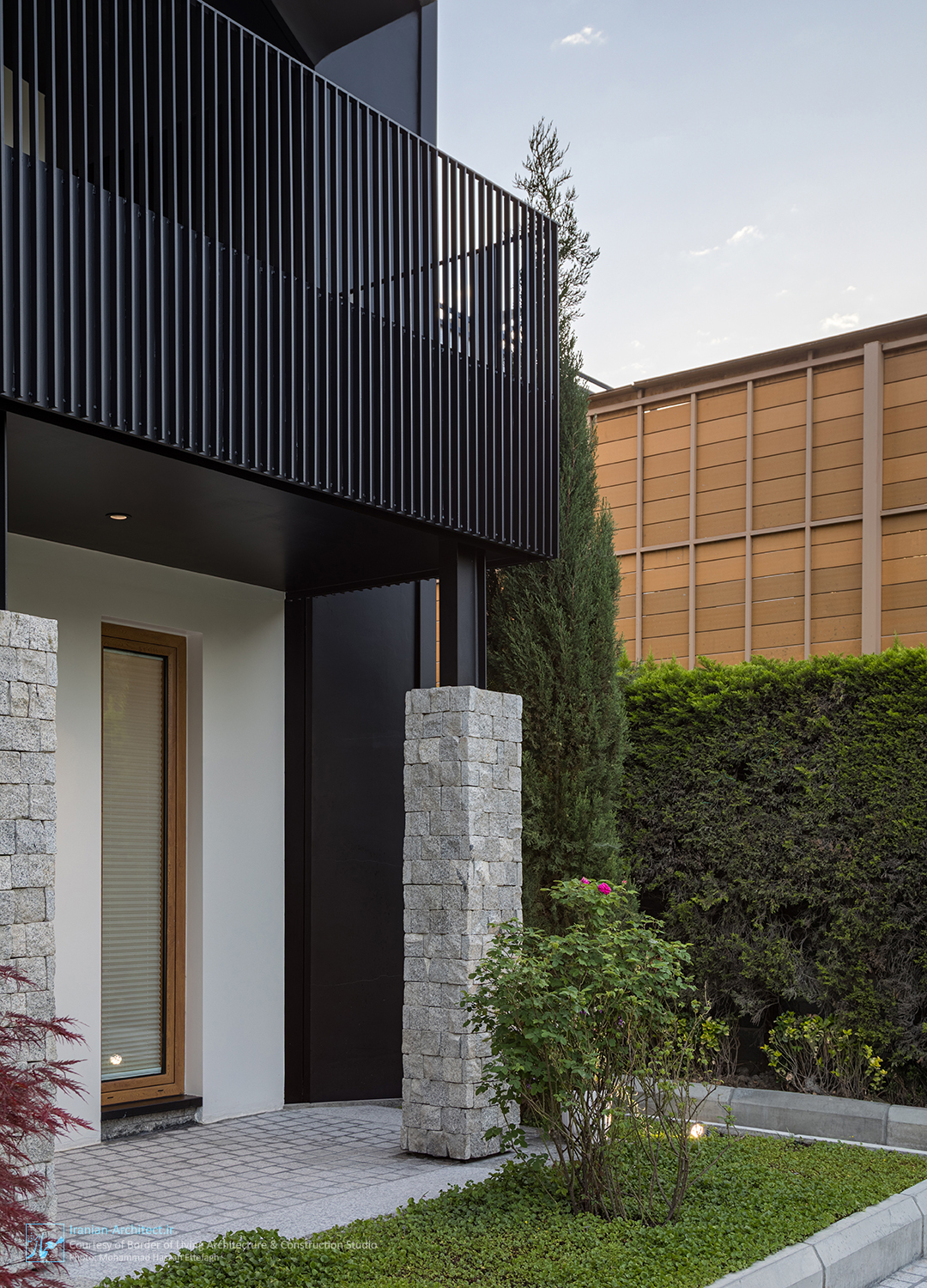
در انتخاب مصالح نیز، با دقت میان خواست کارفرما و هویت پروژه تعادل برقرار شد. سنگ کوبیک گرانیت نهبندان، بهعنوان متریال اصلی بدنه، بافت و وزن بصری لازم را تأمین کرده و در ترکیب با چوب گرمنما و سطوح سبز محوطه، تضادی ملایم و هوشمندانه به نمایش گذاشته است. همنشینی دقیق سنگ با مصالح مکمل در عناصر مختلف ـ از نما تا کفسازی و جزئیات بازشوها ـ به تجربهای خوشساخت و یکپارچه درک بصری انجامیده است.
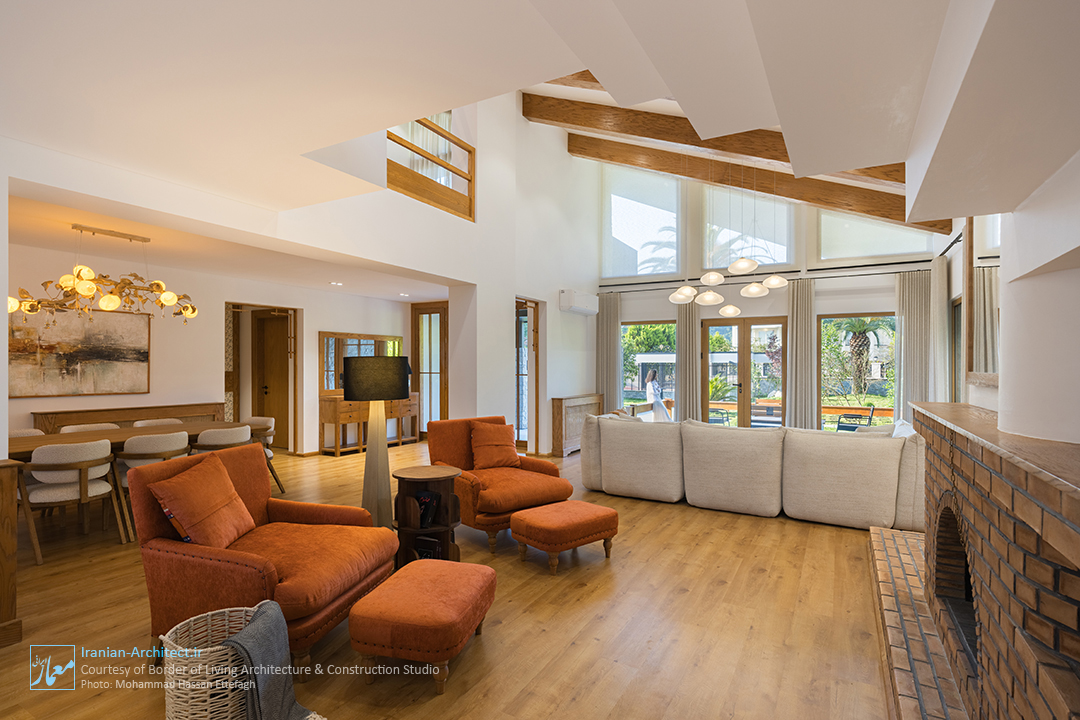
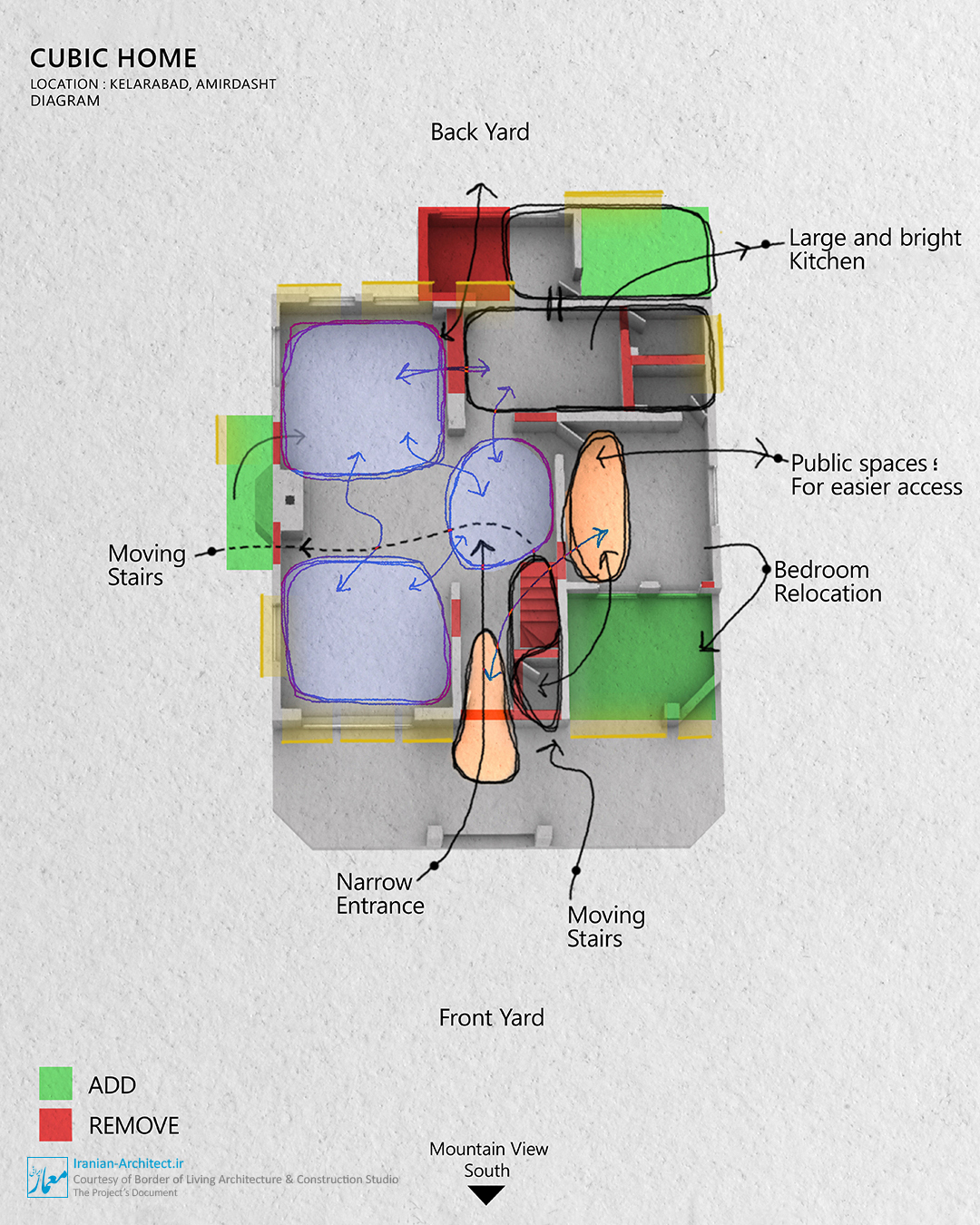
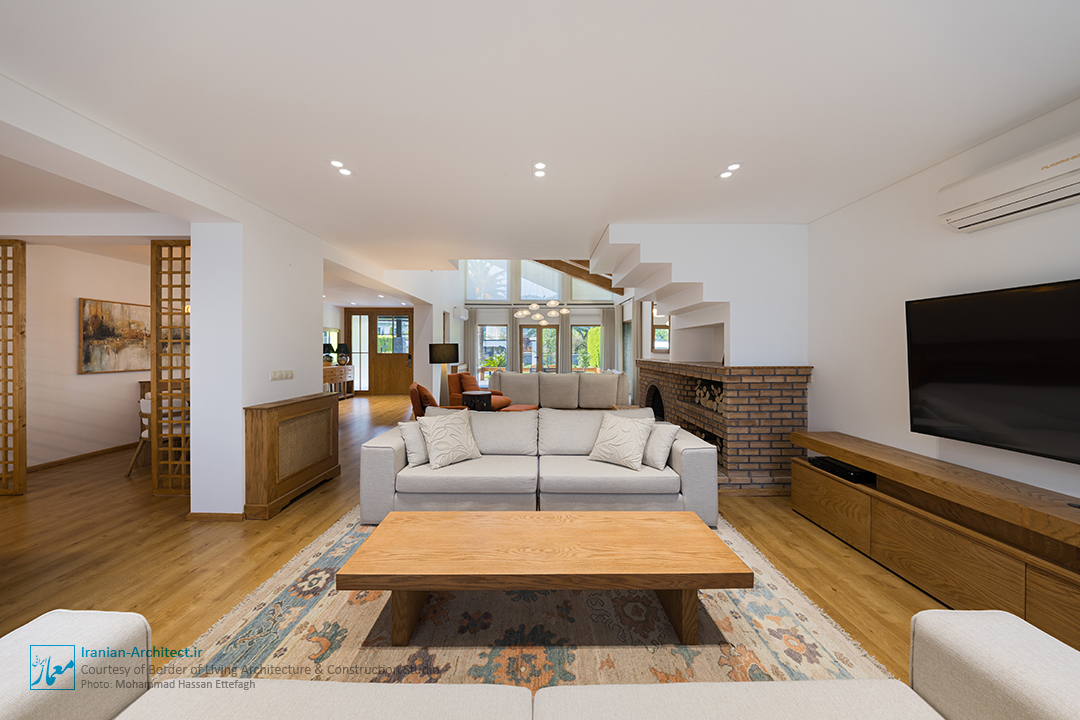
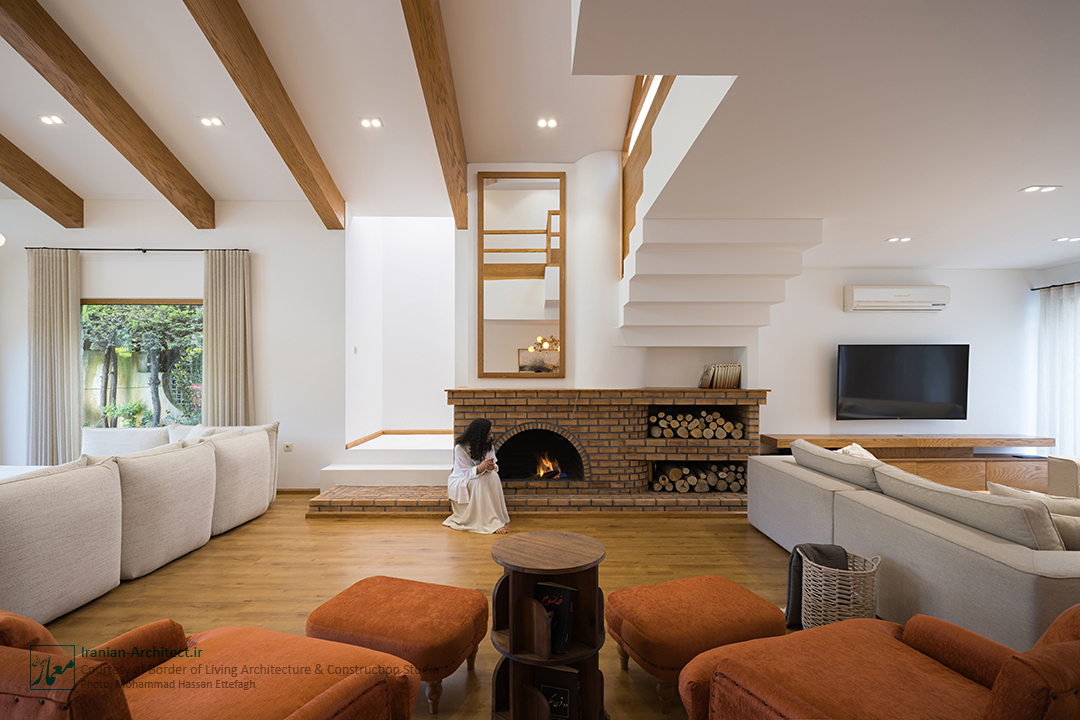
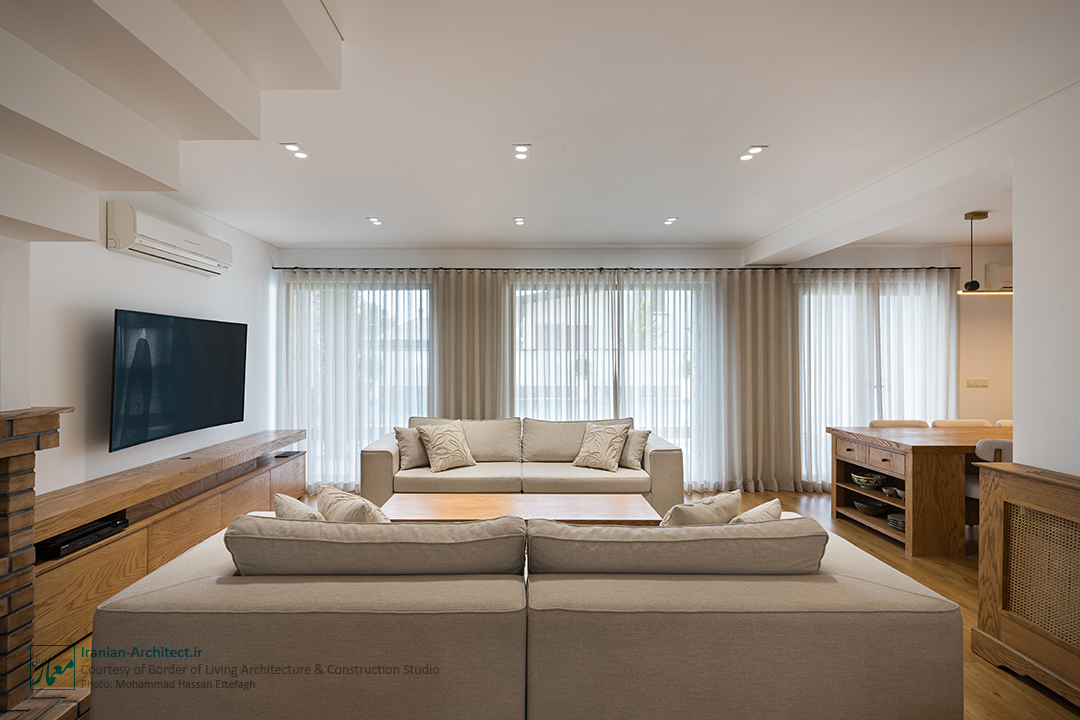
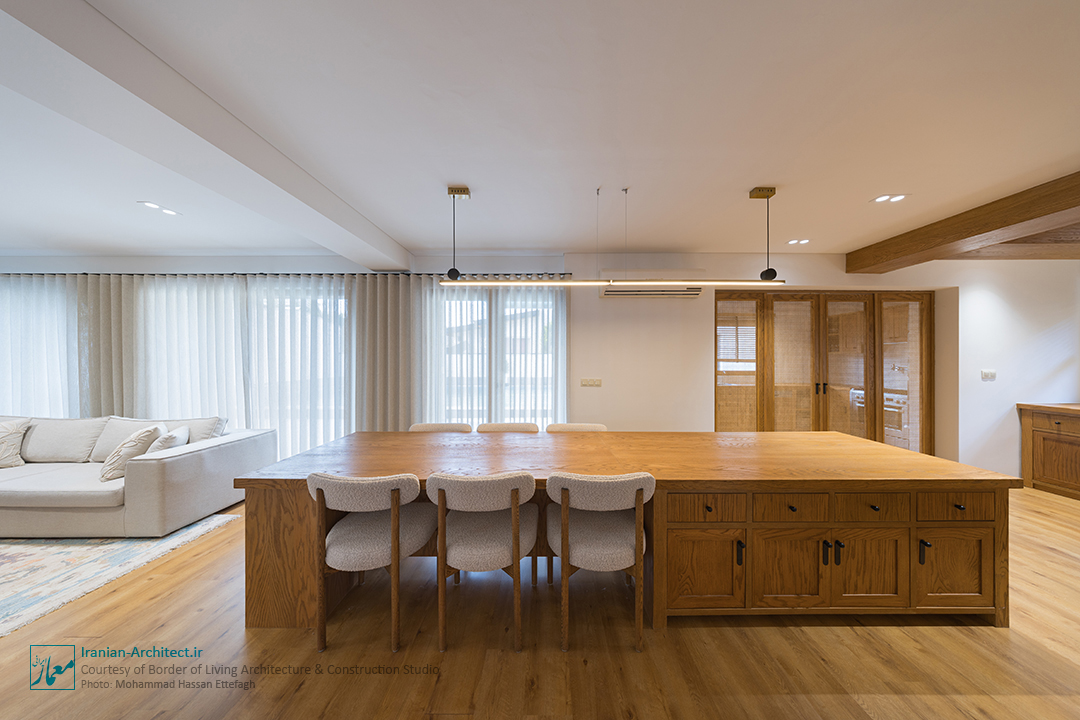
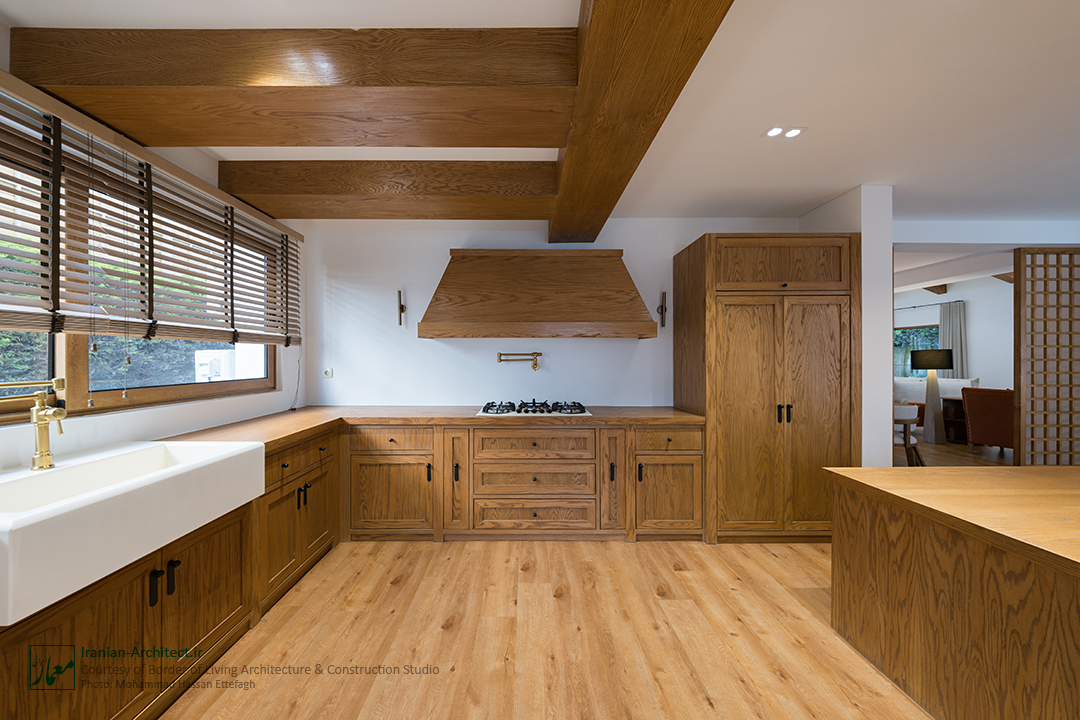
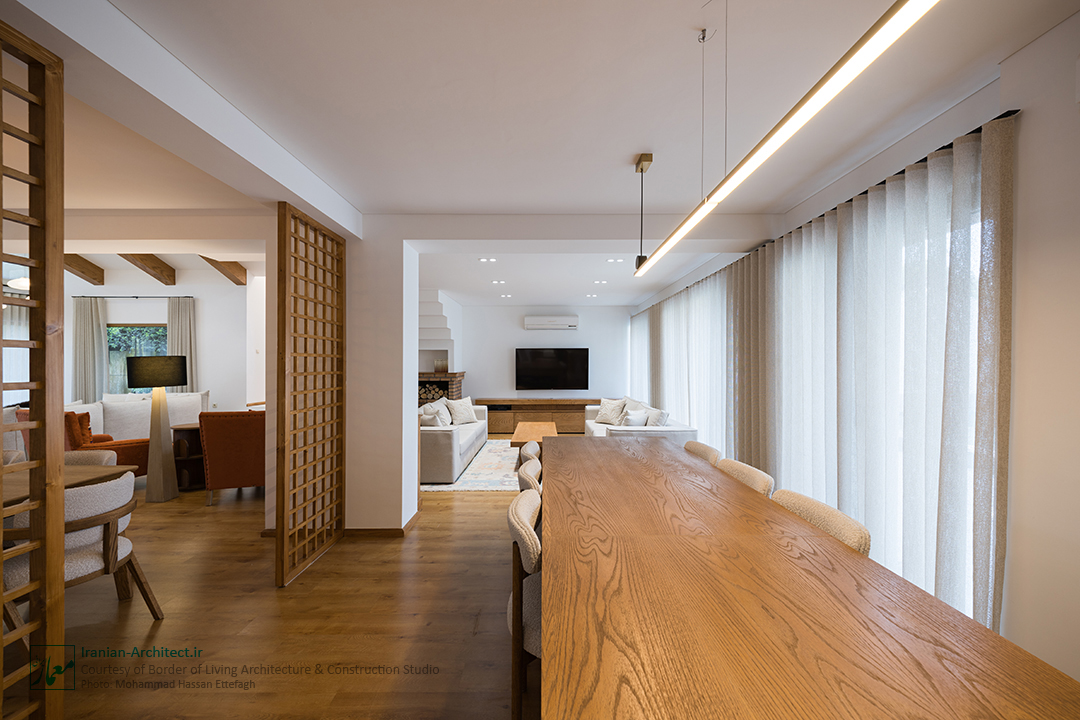
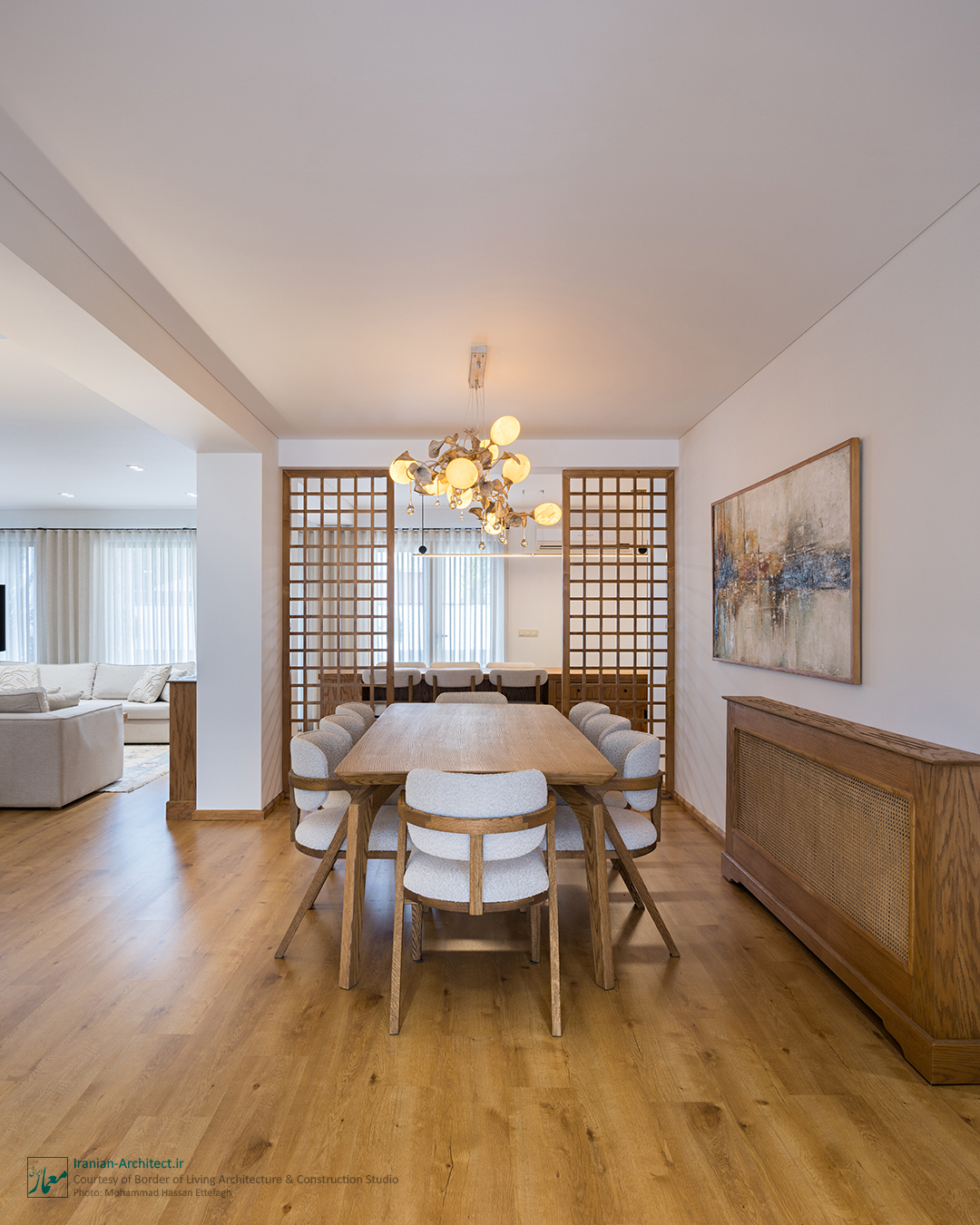
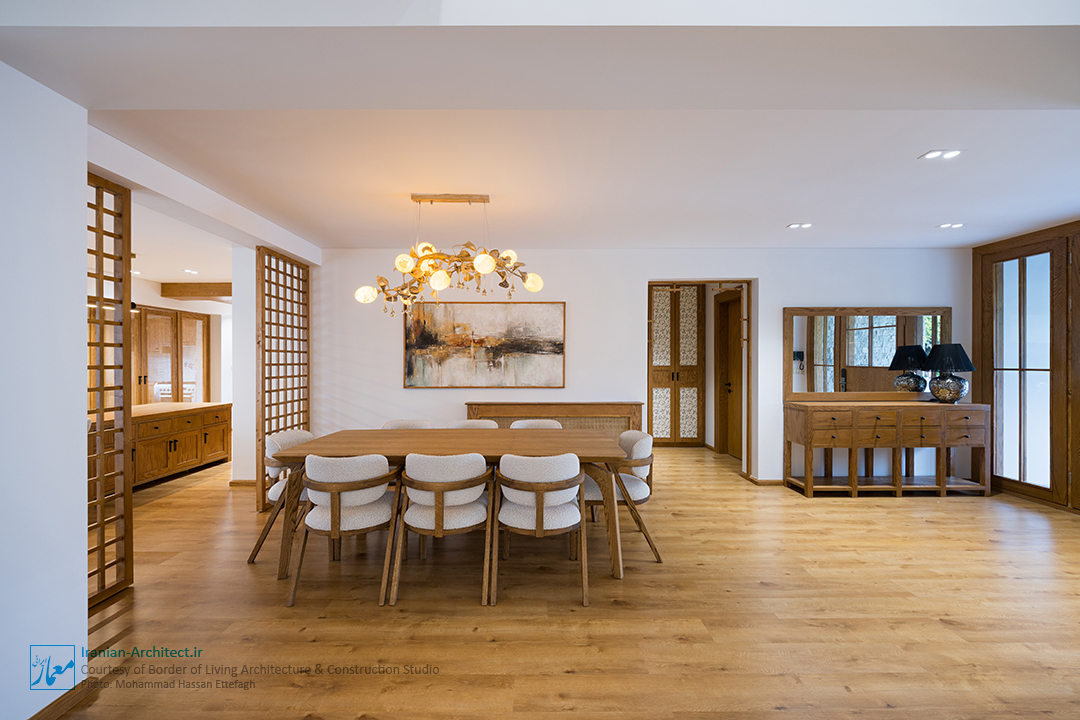
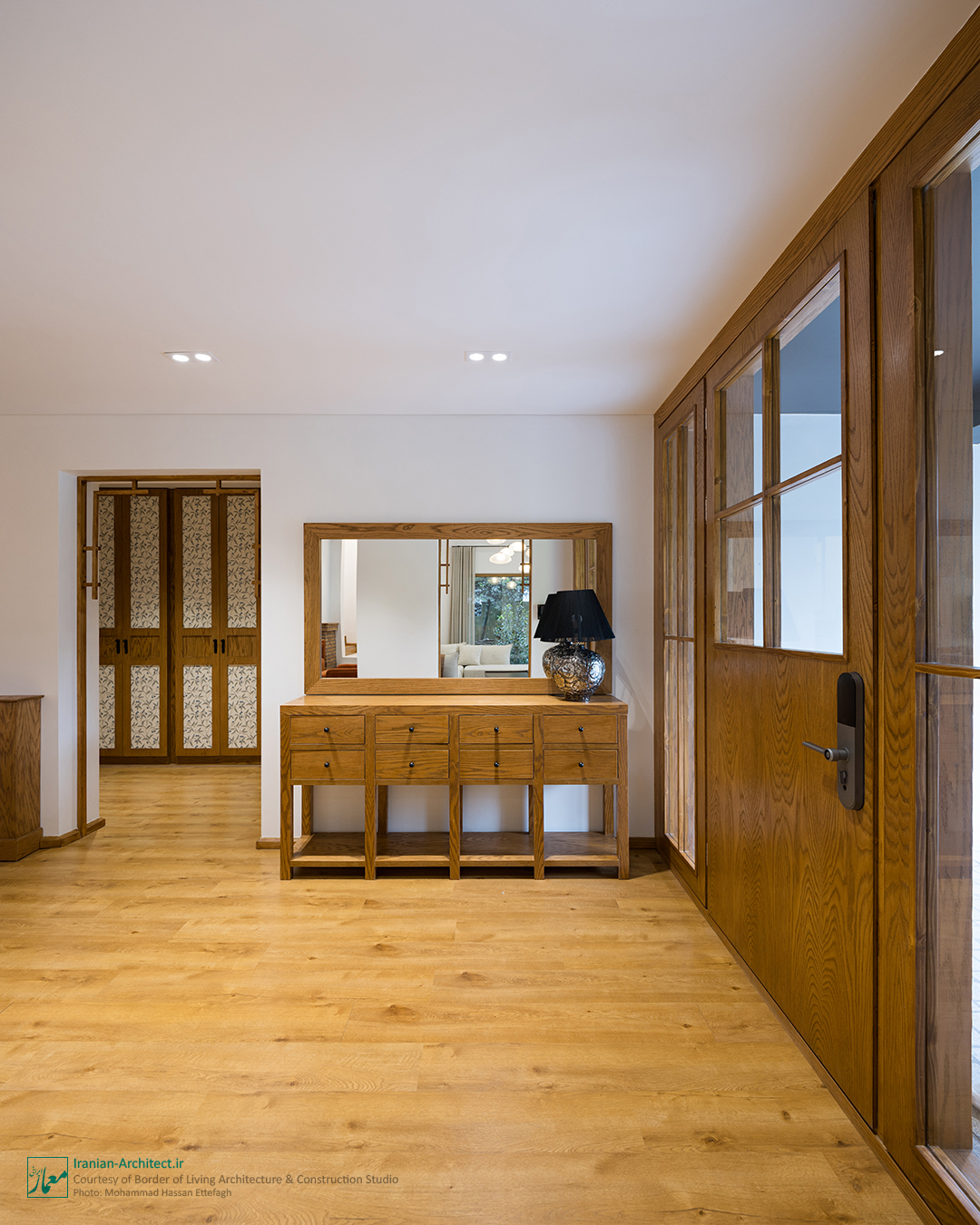
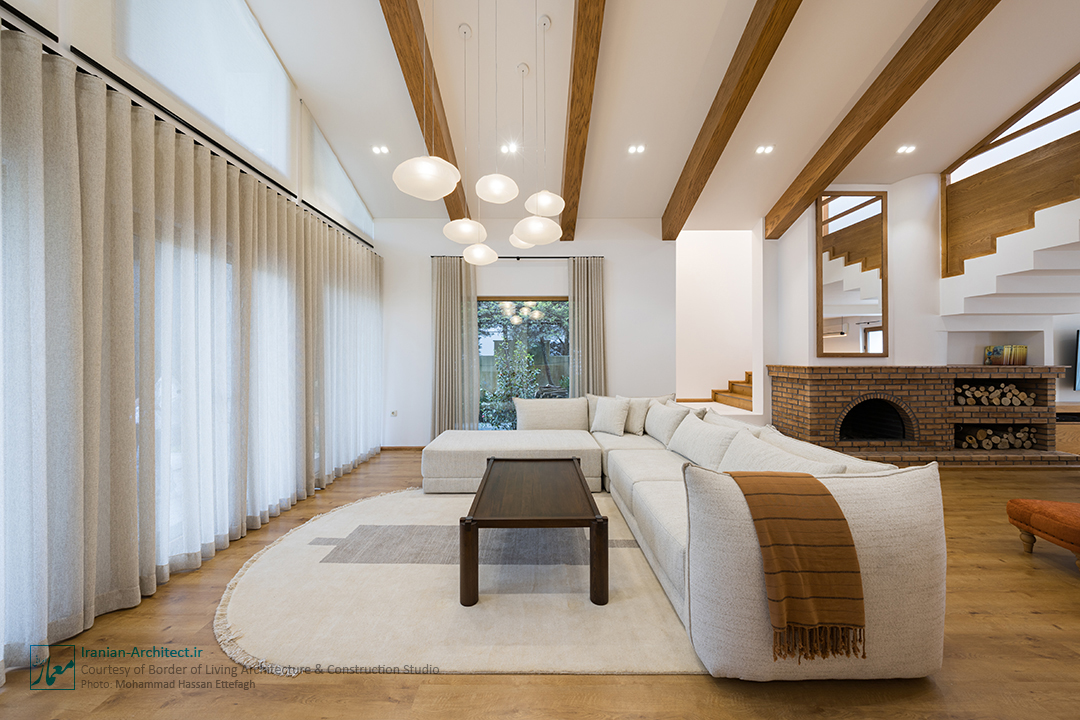
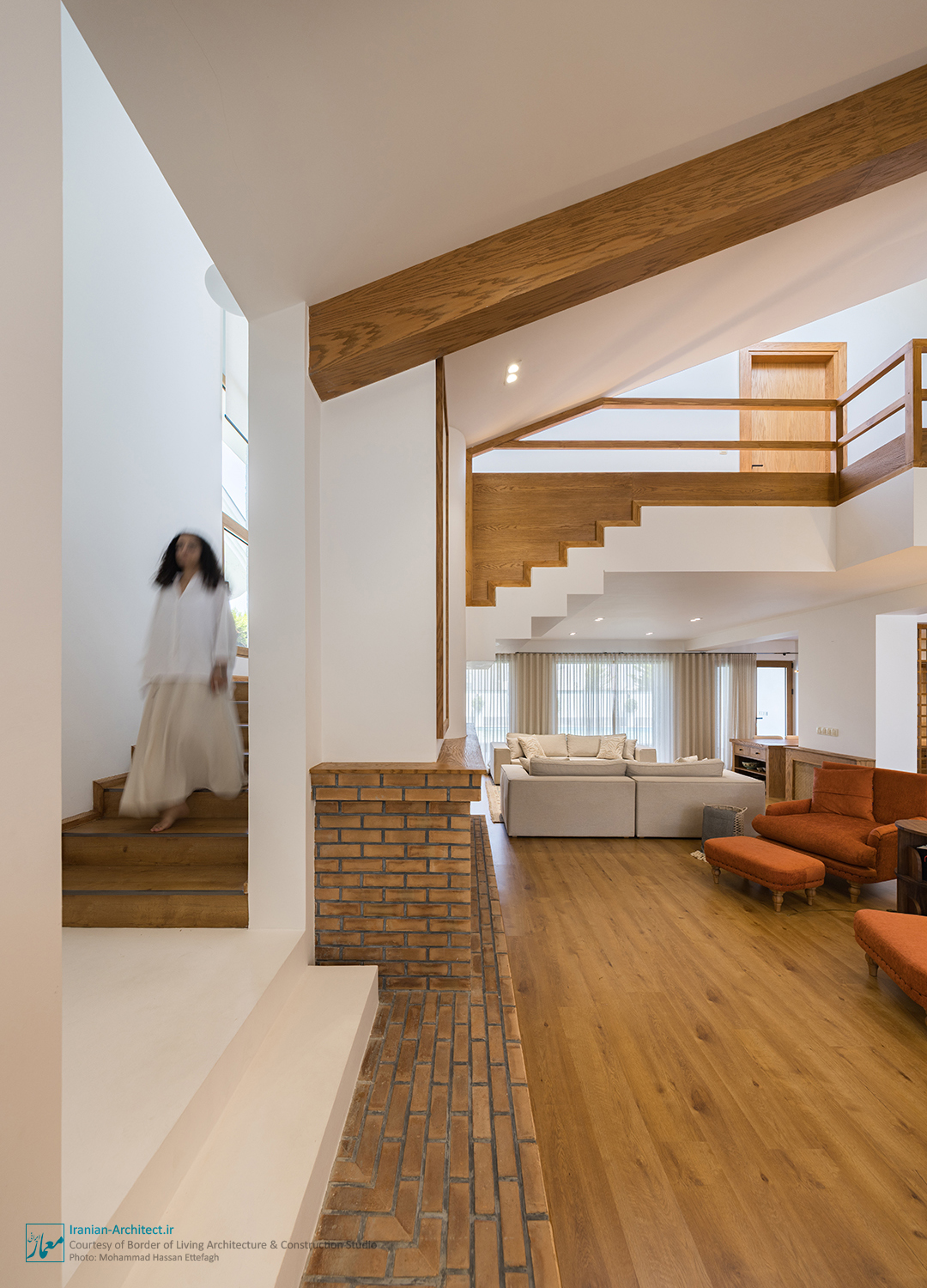
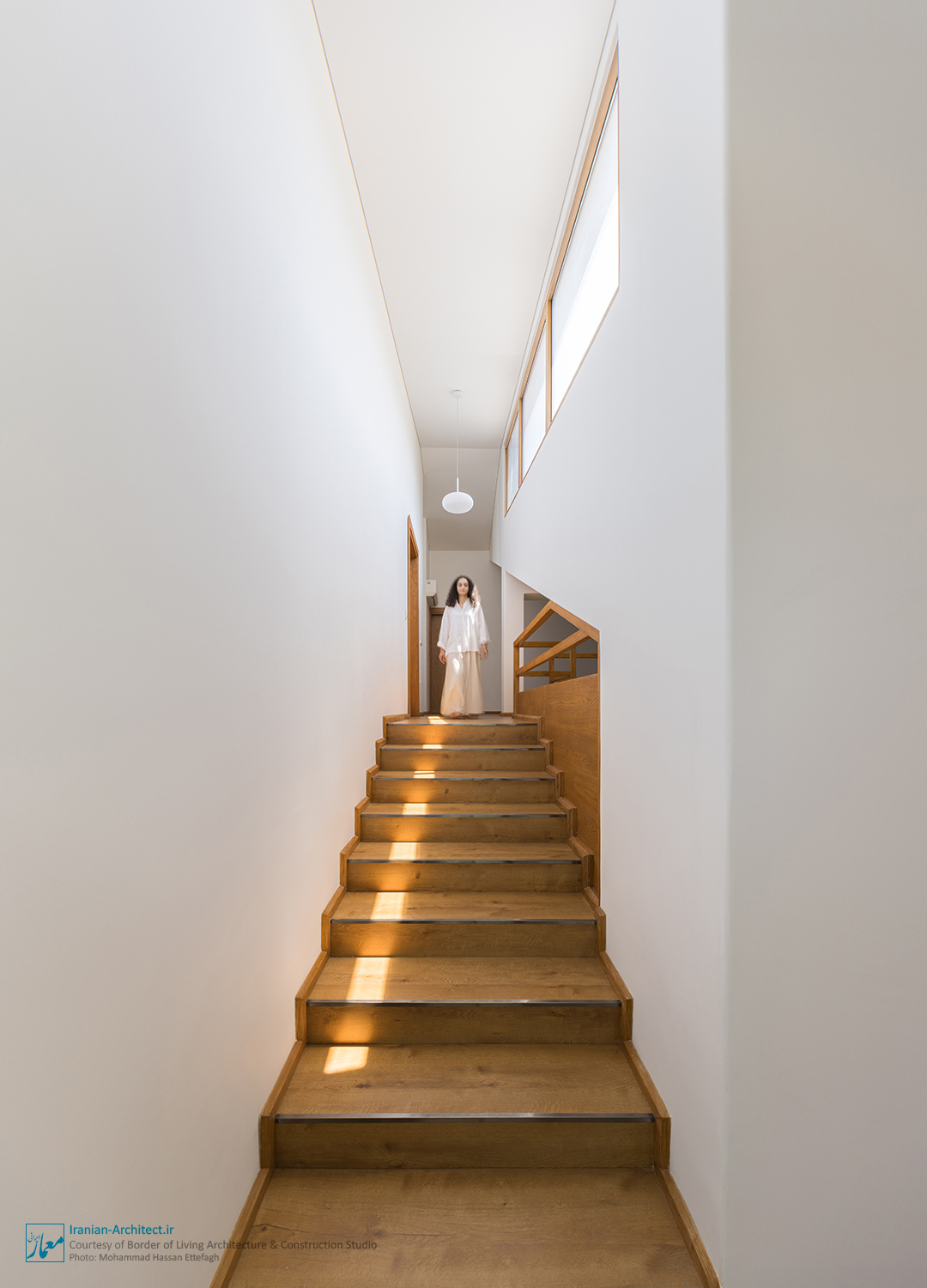
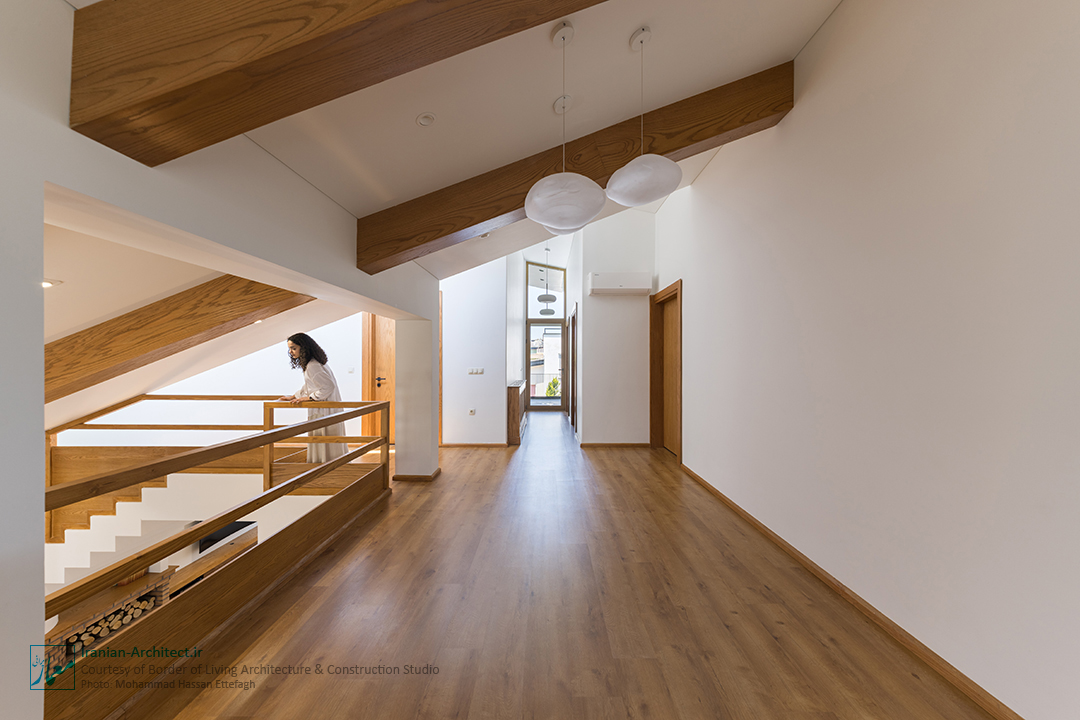
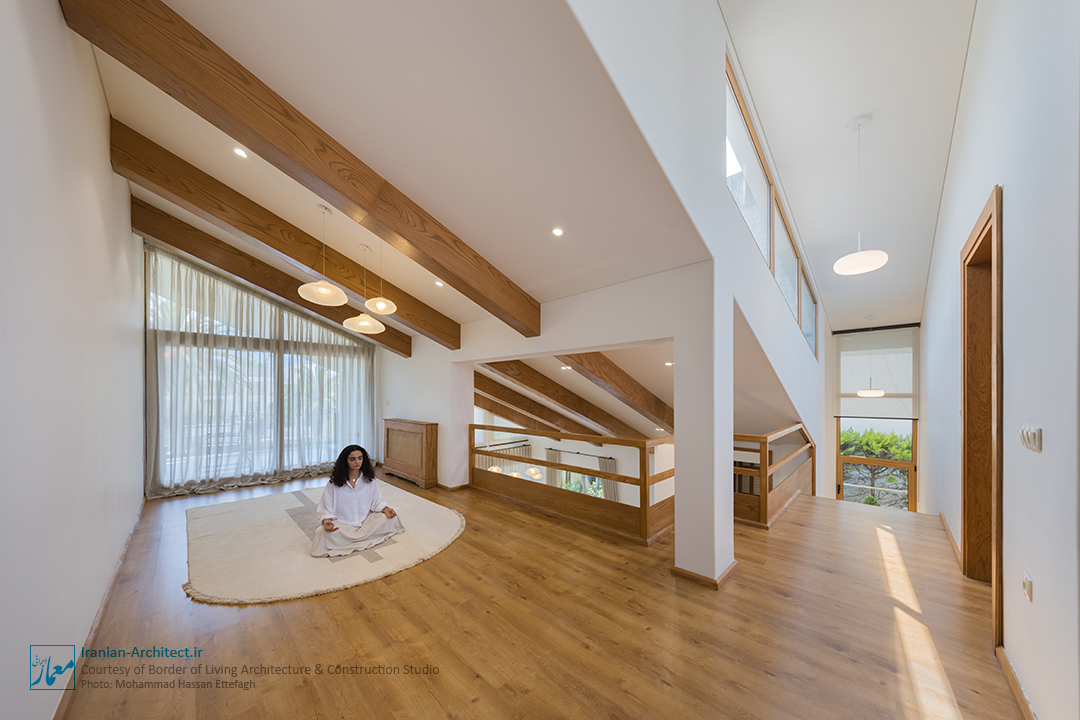
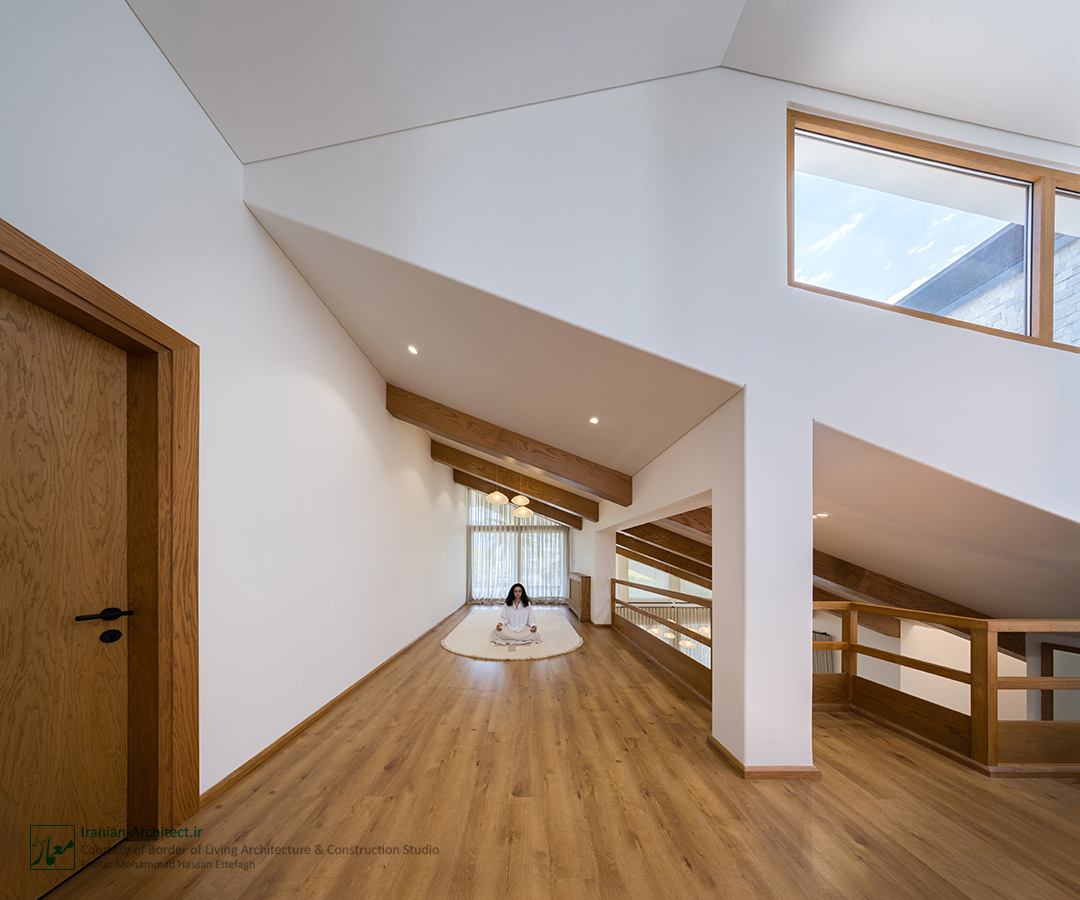
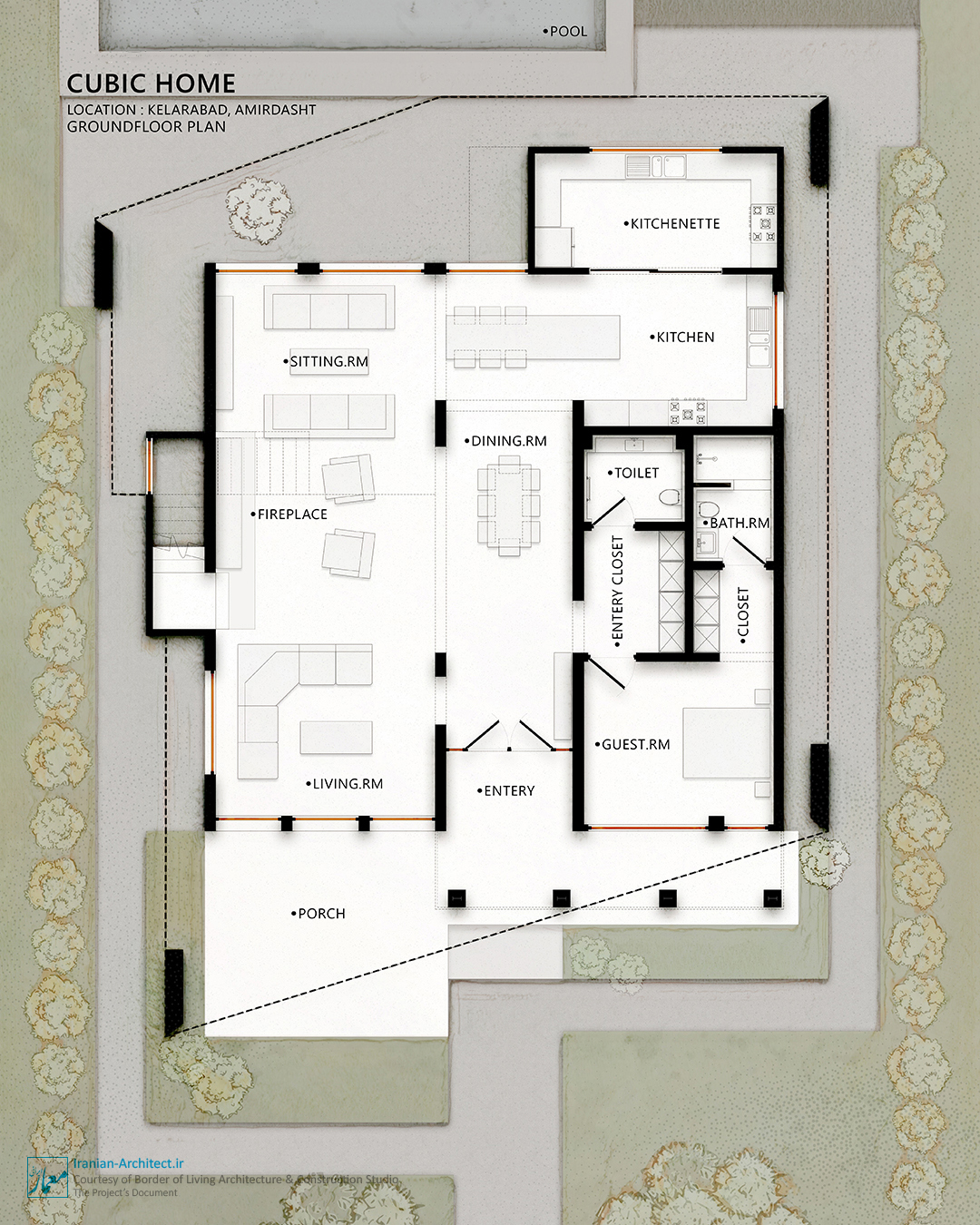
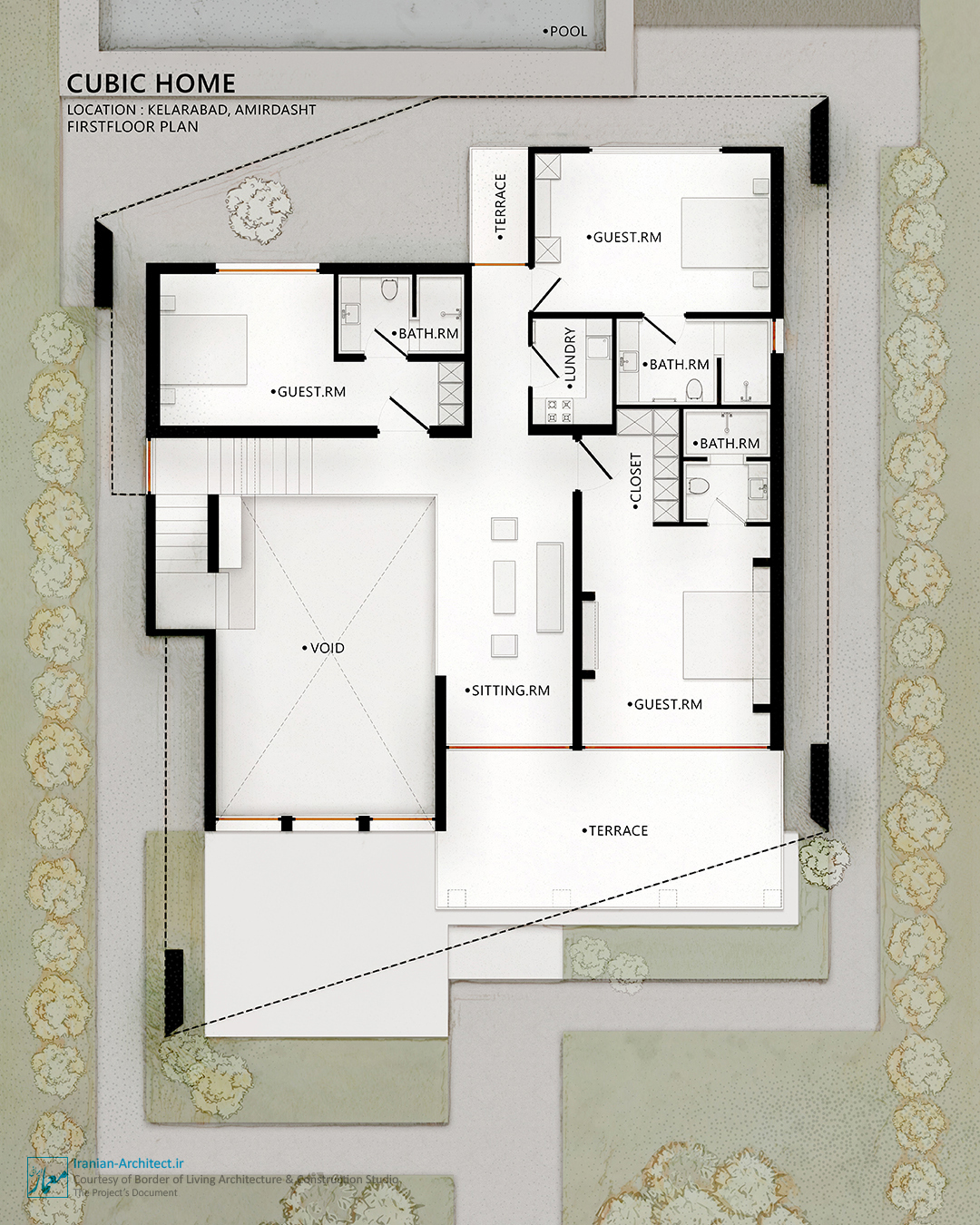
در فضای داخلی، با بازنگری کامل در پلان، فضاهای ناکارآمد حذف یا به نفع فضاهای زنده و فعال بازتعریف شدند. همچنین تداوم مصالح و حسوحال طراحی خارجی، به درون خانه نیز راه یافته تا انسجام کلی زبان طراحی حفظ شود.

خانه کوبیک، نتیجه نگاهی باز به ظرفیتهای یک پروژه موجود است؛ تلفیقی از پاسخگویی به نیاز کارفرما، احیای عناصر شاخص بنا، و خلق هویتی معاصر، پایدار و زیستپذیر.
Cubic Home
Border of Living Architecture & Construction Studio (Sasan Tavakoli, Shaghayegh Jami)
Location: Amirdasht Complex, Kelarabad, Mazandaran, Iran
Date: 2025
Area: 450 sqm
Status: Completed
Client: Private Sector
Modeling: Niusha Sanaei
Structure & Construction Management: Saman Tavakoli
Mechanical Engineering: Vahid Lotfi
Electrical Engineering: Mehdi Mohammadi
Construction: Border of Living Architecture & Construction Studio
Graphic: Afsane Houshmand Chayjani
Photo: Mohammad Hassan Ettefagh
The project began with an assessment of the existing site potential to determine its eligibility for renovation. With the structural skeleton intact, sufficient floor area aligned with the client’s needs, and a generally viable foundation, the design was shaped as a reconstruction rather than a new-build.
The overall form draws inspiration from the gabled roof of the previous structure, reimagined to serve more than a functional role. The roof, in this iteration, becomes an architectural element shaping spatial experience, shadow play, and overall character of the facade. Utilizing a multiplicity of pitched surfaces, the design expands spatially in a simple yet thoughtful manner, accommodating all client requirements—particularly generous, covered terraces.
Among these semi-open spaces, the southern terrace emerges as a key highlight. Its extended depth and clear, unobstructed frame to the horizon define a unique spatial quality. The design overcame significant structural challenges to create this long-span canopy without compromising openness or visual clarity.
Materiality plays a central role in the project’s architectural language. The use of textured Nahbandan granite cobblestone brings a tactile depth to the facade, which is elegantly contrasted with warm wood-textured window profiles and the lush greenery of the landscape. This carefully curated material palette elevates the visual contrast while maintaining harmony and coherence across the project—from facade cladding to landscape paving.
Internally, a major reconfiguration of the plan allowed underutilized or “dead” zones to be transformed into vibrant, livable areas. The continuity between exterior and interior materials, forms, and spatial rhythms reinforces a unified design identity throughout the building.
Cubic House stands as a thoughtful transformation—rooted in the potentials of an existing structure yet redefined through architectural clarity, spatial quality, and material expression.